

Views: 0 Author: Site Editor Publish Time: 2026-08-27 Origin: Site


Vessel operators face increasing regulatory and operational pressure to reduce emissions and noise. Running onboard generators creates localized pollution and disturbs marina environments, prompting facilities to mandate grid power utilization. The core technical challenge involves safely and reliably transferring high-voltage electrical current from a stationary dock pedestal to a dynamic, water-bound vessel. This transfer happens in highly corrosive, wet environments where standard wiring fails rapidly. Selecting the correct Shore Power Cable requires rigorous evaluation of electrical load requirements and environmental resilience. Strict marine safety compliance is necessary to prevent catastrophic faults, electrical fires, or galvanic corrosion that can destroy underwater metals.
A successful marine shore connection must meet specific baseline criteria. It must provide uninterrupted, safe power transfer that eliminates the need for internal combustion power generation while docked. Reliable grid access transforms a vessel into a fully functional living space, allowing systems to run continuously without monitoring fuel levels or engine temperatures.
The cable supplies direct AC power to high-draw onboard systems. These include HVAC units, refrigeration, galleys, microwaves, and hair dryers. Heavy power tools and entertainment systems also rely on this connection. Transitioning from dynamic power generation to static grid reliance ensures continuous habitability. You avoid the noise, vibration, and maintenance overhead of running engines or generators at the slip.
The cable plays a vital role in powering onboard inverters and battery chargers. Continuous shore power maintains deep-cycle battery health during extended docking periods. This ensures all critical DC systems remain fully operational. Bilge pumps, navigation lights, and communication equipment stay powered and ready for deployment. Modern smart chargers rely on this stable AC input to execute multi-stage charging profiles for AGM, gel, or lithium iron phosphate banks.
Buyers must evaluate specific technical parameters when shortlisting a ship shore power cable. Exact specification matching prevents equipment damage and fire hazards.
Common configurations include 30-amp (125V) and 50-amp (125/250V) systems. Commercial vessels often require 100-amp or higher setups. You must calculate a vessel's total AC load to determine the necessary cable rating. Overloading a cable causes excessive heat, voltage drop, and potential electrical fires.
| Amperage Rating | Voltage | Typical Application | Plug Configuration Example |
|---|---|---|---|
| 30 Amp | 125V | Small to medium recreational boats | NEMA L5-30 |
| 50 Amp | 125/250V | Large yachts and cruisers | NEMA SS-2 |
| 100+ Amp | 250V/480V+ | Commercial vessels and superyachts | Pin and Sleeve (IEC) |
High-quality cables require finely stranded, tinned copper conductors. This construction maximizes flexibility and provides superior corrosion resistance against salt air. Wire gauge directly impacts voltage drop over the cable's length. Undersized cables cause significant voltage drops, which can severely damage sensitive onboard equipment like air conditioning compressors.
Standard NEMA locking configurations include L5-30, SS-1, and SS-2. Mechanical evaluation of plug ends is critical. Molded plugs generally offer better water-tightness and strain relief than assembled ends. Contact integrity ensures a solid connection, reducing electrical resistance and heat generation at the pedestal.
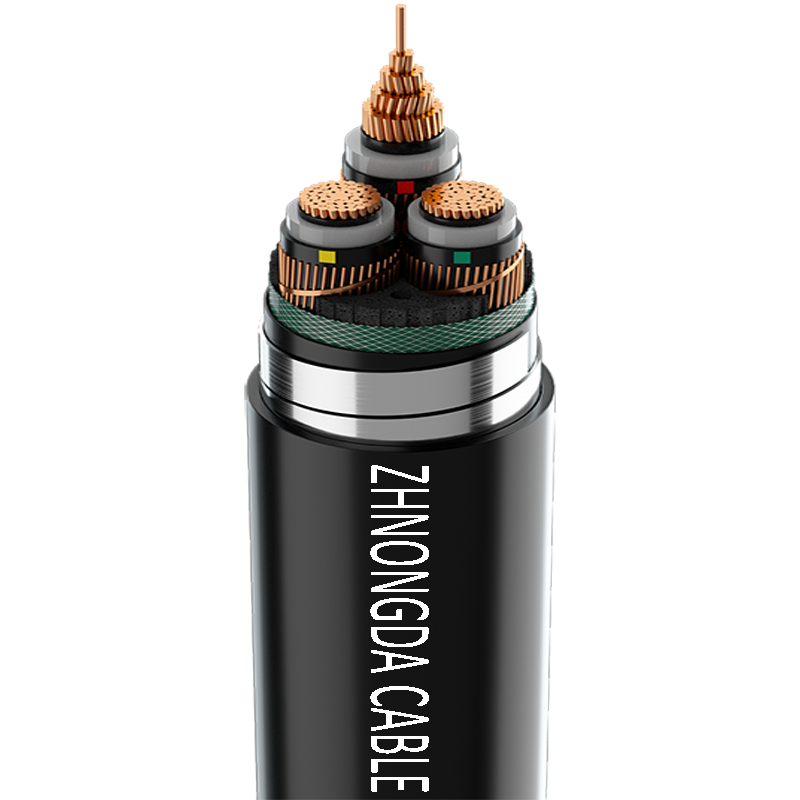
External materials dictate the lifespan and safety of a dock power cable. The marine environment is exceptionally harsh on electrical equipment, requiring specialized polymers.
Jacket materials like STW and SOOW must resist severe environmental degradation. Prolonged sun exposure breaks down inferior plastics quickly, leading to cracking and exposed conductors. Salt spray causes rapid corrosion on unprotected metals. Cables must also resist petroleum-based dockside chemicals, oils, and cleaning solvents commonly found in marinas.
Deploying and coiling heavy-gauge cables in freezing conditions is challenging. High-heat environments can cause inferior jackets to become soft and vulnerable to abrasion against concrete docks. Jacket stiffness impacts physical strain on both the boat's inlet and the dock pedestal. A flexible cable reduces mechanical stress on connection points and makes daily handling manageable.
Improper shore power usage carries severe consequences. You must mitigate these risks through careful equipment selection and proper infrastructure setup.
The ground wire acts as a critical safe path to ground for stray current. This prevents lethal shock hazards in the surrounding water. However, this ground connection can inadvertently link a vessel's underwater metals to the dock and neighboring boats. Integrating galvanic isolators and isolation transformers mitigates this severe corrosion risk by blocking low-voltage DC currents while maintaining the AC safety ground.
Equipment Leakage Circuit Interrupters (ELCI) and Ground Fault Circuit Interrupters (GFCI) are essential. They monitor current flow at the pedestal and vessel inlet. Cable integrity prevents nuisance tripping of these safety devices. A damaged cable with moisture ingress will trigger faults and disrupt power continuously.
Marine cables require specific certifications to ensure safety. Look for compliance with ABYC (American Boat and Yacht Council) standards. USCG regulations and UL/CSA listings are also critical indicators of quality. Non-compliant cables pose massive liability and safety risks.
Strict operational sequences prevent arcing, electrical fires, and equipment damage. Procedural safety is just as important as equipment quality.
Follow these exact steps to ensure safety during deployment:
This sequence ensures you never handle a live, energized cable near the water.
Always engage threaded locking rings or collars. This ensures a watertight seal and prevents accidental disconnections. Route the cable carefully to account for tidal fluctuations. Ensure sufficient slack without allowing the cable to submerge in the water or chafe against sharp dock edges.
Procurement trade-offs influence the overall value and safety of your electrical setup. Budget options often cost more in the long run due to premature failure.
Original equipment manufacturer cables offer proven reliability and warranty support. Third-party alternatives vary wildly in quality. Counterfeit or non-marine-rated cables sold as budget options pose extreme fire risks. Always verify the manufacturer's credentials and material specifications.
Standard lengths like 25ft or 50ft suit most applications. Custom lengths prevent excess clutter on the dock. Never daisy-chain multiple short cables together. This increases electrical resistance and introduces potential water ingress points at the junction. Conversely, an overly long cable creates unnecessary bulk and voltage drop.
A shore power cable is not a standard extension cord. It is a critical piece of marine infrastructure requiring exact specification matching and rigorous safety protocols. Calculating maximum AC load, determining required plug configurations, measuring the exact distance to the pedestal, and verifying marine-grade certifications are mandatory steps.
A: The term originates from naval and commercial shipping. It refers to the transition from shipboard power generation to land-based grid utilities. Vessels shut down their engines and connect to the shore's electrical grid while docked.
A: Shore cables feature tinned copper wiring and locking waterproof connectors. They use marine-grade jacketing resistant to UV and chemicals. They handle higher amperage capacities designed specifically for harsh, wet marine environments.
A: Melting is caused by electrical arcing and excessive heat. This results from loose connections, corroded contacts, or failing to use locking rings. Drawing more amperage than the cable's rating also causes catastrophic melting.
A: Yes, by using a properly rated and fused pigtail adapter. However, you must ensure the adapter includes proper overcurrent protection. Always monitor your total AC load to prevent overloading the boat's internal wiring.
A: Length depends on wire gauge and amperage. Voltage drop occurs over distance. For runs exceeding 50 feet, you must increase the wire gauge (lowering the AWG number) to maintain safe voltage levels.
A: Replacement depends on condition, not a strict timeline. Inspect regularly for discoloration, jacket cracking, or bent prongs. Burn marks or a loss of flexibility mean the cable must be replaced immediately.
A: Improper strain relief and extreme tidal fluctuations cause cables to fall. It is highly dangerous. It creates immediate ground fault risks and stray current hazards. Waterproof locking rings are essential to mitigate water ingress.
 简体中文
简体中文 

