

Views: 0 Author: Site Editor Publish Time: 2026-08-19 Origin: Site


Reliable temporary power distribution keeps industrial, construction, and commercial sites operational. When you cannot rely on fixed wiring, deploying a Portable Power Cable bridges the gap between the power source and your equipment. Using inadequate cabling creates immediate operational and safety risks. You might experience severe voltage drops, premature motor failure, or direct OSHA and NEC compliance violations that force a complete site shutdown. Field crews often call these multi-conductor assemblies flexible cords, portable cordage, or heavy-duty extension cords. Despite the casual names, the technical specifications behind them vary drastically. You must match specific cable architectures to exact environmental and electrical demands. Doing so ensures site safety and maintains operational continuity under heavy loads.
The primary structural difference between portable cords and fixed power cables lies in the conductor design. Portable configurations utilize high-strand-count bare or tinned copper conductors. This fine stranding allows the cable to bend, flex, and withstand continuous movement without breaking the internal metal. In contrast, fixed permanent installations rely on solid copper or low-strand-count conductors. These are rigid, designed to be pulled through conduit once, and left undisturbed for decades.
Both cable types deliver power safely when specified correctly, but their deployment environments dictate their construction. Fixed wiring prioritizes longevity and rigidity inside walls or ceilings. Portable cables prioritize temporary flexibility and external ruggedness. Regulatory standards strictly govern these distinctions. NEC Article 400 clearly limits where a temporary cord can legally be deployed. It cannot be used as a substitute for fixed wiring, run through holes in walls, ceilings, or floors, or concealed behind building structures.
| Feature | Portable Power Cable | Fixed Power Cable |
|---|---|---|
| Conductor Stranding | High strand count (fine copper wires) | Solid core or low strand count |
| Flexibility | Extremely high, designed for continuous movement | Rigid, designed for single installation pull |
| Outer Jacket | Thick, ruggedized (Thermoset/TPE) for external abuse | Thinner PVC or Nylon (THHN/THWN) for conduit use |
| NEC Compliance | Article 400 (Temporary, exposed use only) | Chapter 3 (Permanent, concealed or conduit use) |
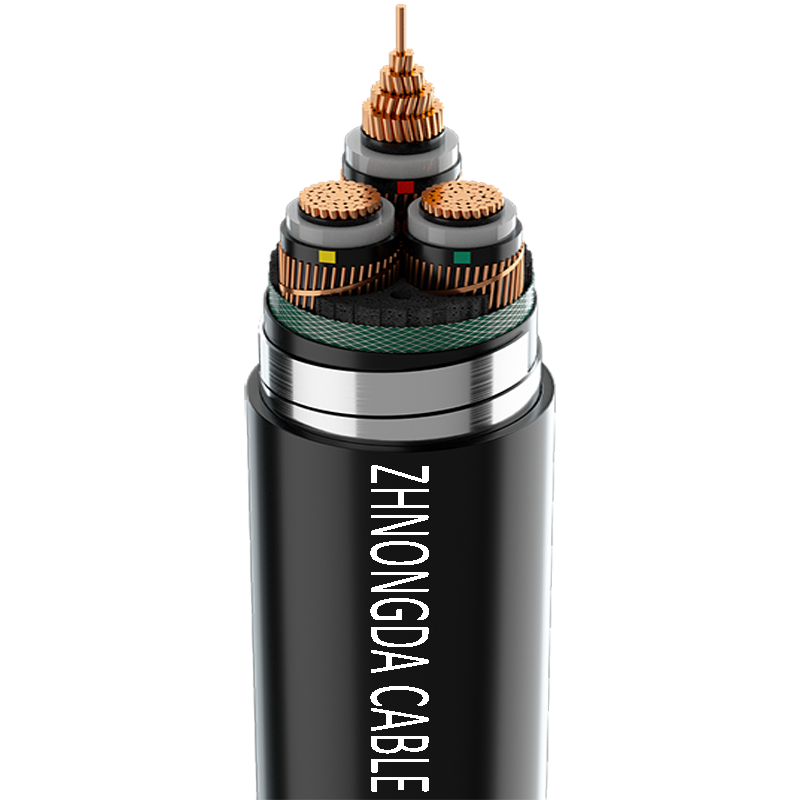
The internal architecture of a flexible portable cable determines its performance limits in the field. Manufacturers engineer these cables in distinct layers to balance electrical conductivity with mechanical protection. Understanding these layers helps you specify the right product for your site.
Factory floors demand robust power delivery systems for heavy machinery, automated production lines, and high-draw motors. Portable cables connect cord-and-plug equipment to overhead power drops or wall receptacles. This allows facility managers to reconfigure production layouts without hiring electricians to rewire the building infrastructure. These environments require cables with exceptional oil and abrasion resistance. Thermoset options like SOOW are highly prevalent here. The jackets must withstand constant exposure to industrial lubricants, cutting fluids, and heavy foot traffic without swelling or degrading.
Construction sites rely entirely on temporary power networks before permanent utilities are established. Heavy-duty cables connect portable generators to temporary distribution panels, spider boxes, and high-draw power tools. Durability is the primary concern. A temporary power cable must survive physical impact from falling debris, heavy vehicle traffic, extreme temperature fluctuations, and prolonged UV exposure from direct sunlight. If the jacket cracks, moisture enters the cable, creating an immediate ground fault hazard.
The entertainment industry utilizes specialized portable cables to supply power to audio/visual equipment, stage lighting rigs, and temporary event infrastructure. Mobile computer systems and modular data centers also rely on these flexible connections. For stage applications, cables must exhibit excellent lay-flat characteristics to prevent tripping hazards and meet aesthetic requirements. Type SC (Stage and Lighting) cables are specifically engineered for these high-flexibility, high-visibility environments, often featuring matte black jackets to blend into the background.
Extractive industries and marine applications present the most severe operational challenges. Cables deployed in open-pit mines, underground shafts, or shipyards require extreme resistance to water submersion, caustic chemicals, and continuous dynamic flexing. Specialized heavy-duty cables, such as Type W, Type G, or G-GC, are engineered with reinforced jackets. They often include specific ground-check conductors to ensure fail-safe operation. If the ground connection breaks, the system automatically trips the power, protecting workers in hazardous zones.
Understanding UL 62 nomenclature is critical for specifying the correct cable. The letter designations printed on the jacket indicate the cable's construction and approved usage environment. Misinterpreting these codes leads to rapid cable failure and safety violations.
| Letter Code | Meaning | Application Impact |
|---|---|---|
| S | Service Grade | Rated for 600V. Suitable for heavy-duty industrial use. |
| J | Junior Service | Rated for 300V. Thinner jacket, used for lighter duty tools. |
| O | Oil-Resistant Jacket | Outer jacket resists degradation from oils and solvents. |
| OO | Double Oil-Resistant | Both outer jacket and inner conductor insulation resist oil. |
| W | Weather/Water Resistant | Rated for outdoor use, UV exposure, and wet locations. |
| T | Thermoplastic | Jacket is made of PVC rather than thermoset rubber. |
Comparing common types helps clarify selection. An SOOW cable is a 600V thermoset rubber cable with oil-resistant insulation and jacketing, suitable for outdoor use. An SJOOW cable shares the same physical properties but is limited to 300V applications. STOOW utilizes a thermoplastic (PVC) jacket instead of rubber, offering different mechanical properties while maintaining oil and weather resistance.
Electrical capacity dictates the physical size of the cable. Calculating ampacity requirements based on the maximum continuous equipment load is the first step in specification. Undersized cables overheat, degrading the insulation and creating severe fire hazards. You must consult NEC ampacity tables to match the American Wire Gauge (AWG) to your specific load.
Voltage drop is a critical factor over long cable runs. As the distance between the power source and the equipment increases, electrical resistance causes the voltage to drop. To maintain equipment efficiency and prevent motor burnout from low-voltage conditions, engineers must upsize the AWG. A thicker conductor reduces resistance, ensuring the equipment receives the correct operating voltage regardless of the distance. For runs exceeding 100 feet, upsizing by at least one gauge is standard practice.
Jacket material selection directly impacts field performance. Thermoset (rubber) jackets provide superior flexibility across extreme temperature ranges and excellent resistance to abrasion and impact. They do not melt easily when exposed to hot surfaces. Thermoplastic (PVC) jackets are generally lighter and offer good chemical resistance but can become stiff and brittle in freezing temperatures. Thermoplastic Elastomer (TPE) jackets attempt to bridge this gap, offering rubber-like flexibility with the processing advantages of plastics.
Temperature ratings, typically ranging from -40°C to 90°C, must align with the deployment environment. A cable rated for high heat will resist melting near industrial furnaces, while a low-temperature rating ensures the cable remains pliable and safe to unspool on a freezing construction site in mid-winter.
Specifying a mobile power cable requires balancing flexibility against physical durability. Higher strand counts in the copper conductors yield maximum flexibility, making the cable easier to coil, route, and handle. However, environments with high crush risks require thicker, stiffer outer jackets. A highly flexible cable might lack the robust armor needed to survive heavy machinery rolling over it. You must choose the optimal compromise based on site-specific hazards. If the cable will be dragged across concrete daily, prioritize a thicker thermoset jacket over maximum bend radius.
Procurement decisions often weigh the initial purchase price against replacement frequency. Premium thermoset rubber cables command a higher upfront cost than standard thermoplastic alternatives. However, in harsh industrial environments, cheaper PVC cables crack, deform, or fail rapidly when exposed to mechanical stress or extreme temperatures. Investing in the correct heavy-duty jacket material reduces downtime, lowers replacement frequency, and ensures continuous operation. Buying a cheap cable three times a year costs far more in labor and lost production than buying the right cable once.
Facility managers must decide between standardizing inventory or stocking specialized cables. Standardizing on a versatile, high-rated cable like SOOW across an entire plant simplifies procurement and ensures a robust cable is always available for maintenance teams. Conversely, stocking highly specialized cables for niche applications prevents over-engineering simple power drops. However, specialization increases inventory complexity and the risk of deploying the wrong cable in an emergency. Most industrial sites benefit from standardizing on 600V SOOW for general use and reserving Type W for heavy equipment.
The most common regulatory violation involves using temporary cables in permanent applications. Running flexible cords through drop ceilings, walls, or doorways violates NEC guidelines and creates significant fire hazards due to trapped heat and potential physical damage. Mitigation requires strict adherence to electrical codes, clear facility policies regarding temporary power, and regular safety audits by qualified personnel to identify and remove improper installations. Replace any cord running through a wall with permanent conduit and fixed wiring immediately.
Cables deployed on the ground are highly susceptible to physical damage from forklift run-overs, sharp edges, and chemical spills. Improper coiling techniques also introduce internal stress, breaking the fine copper strands over time. Mitigation strategies include implementing heavy-duty cable protectors in high-traffic areas, routing cables overhead where possible, and specifying the correct jacket material for the chemical environment. Train personnel on the "over-under" coiling method to preserve conductor integrity and prevent the cable from twisting into knots.
The connection points at the plug or equipment interface are the weakest links in any temporary power system. Improperly terminated cables or mismatched connectors lead to arcing, overheating, and total loss of power. To mitigate this risk, facilities must utilize industrial-grade, strain-relief connectors that perfectly match the specific cable diameter. Deploying NEMA-rated or IP-rated plugs ensures the connection remains secure and protected against dust and moisture ingress. Never use electrical tape to fix a damaged connector; replace the plug entirely.
A portable power cable is a highly engineered component essential for safe, temporary power delivery to cord-and-plug equipment. It is not a generic commodity, and treating it as such introduces severe operational and safety risks. Selecting the correct architecture requires a precise understanding of the electrical load, the environmental hazards, and the regulatory limitations governing temporary power distribution.
When shortlisting cables, follow a strict decision matrix. First, identify the exact voltage and ampacity requirements to determine the AWG size. Second, assess the environmental hazards, including exposure to oil, water, extreme temperatures, and physical impact. Finally, select the corresponding UL 62 jacket code, such as SOOW for general industrial use or Type W for extreme mining and marine applications.
To ensure safe and efficient deployment, take the following next steps:
A: Yes, in industrial terminology, portable power cables are frequently referred to as flexible cords, portable cordage, or heavy-duty extension cords. However, industrial portable cables are engineered to much higher standards for durability, voltage capacity, and environmental resistance than standard consumer extension cords.
A: The difference lies in the voltage rating and jacket thickness. SOOW is rated for 600 volts and features a thicker jacket for heavier duty use. SJOOW is rated for 300 volts and has a slightly thinner jacket, making it suitable for lighter applications.
A: No. NEC Article 400 strictly prohibits using temporary flexible cords as a substitute for fixed, permanent wiring. They cannot be run through walls, ceilings, floors, or doorways, and must remain visible and accessible for inspection.
A: AWG size is determined by calculating the maximum continuous ampacity load of the connected equipment and factoring in the total length of the cable run. Longer runs require thicker conductors to prevent dangerous voltage drop and overheating.
A: In UL 62 nomenclature, the "W" indicates that the cable is weather and water-resistant. This means the jacket is formulated to withstand outdoor exposure, including sunlight and moisture, without degrading.
A: Generally, no. Standard portable cords like SOOW or Type W are designed for surface use and temporary deployment. They lack the specific structural protections required by the NEC for direct earth burial.
A: Extreme cold causes thermoplastic jackets to become stiff and brittle, making them difficult to unspool and prone to cracking. Thermoset jackets maintain their flexibility in freezing conditions. High heat can soften jackets, reducing their abrasion resistance.
 简体中文
简体中文 

