

Views: 0 Author: Site Editor Publish Time: 2026-08-18 Origin: Site


Electrical failures at sea or at port result in catastrophic safety hazards, costly vessel downtime, and severe regulatory penalties. A marine electrical system demands components engineered specifically for harsh maritime conditions. Standard industrial cables degrade rapidly in these environments due to constant saltwater exposure, extreme temperature fluctuations, galvanic corrosion, and high-frequency vessel vibration. To maintain operational continuity and safety, specifying a purpose-built marine cable is essential. The selection process requires balancing mechanical durability, electrical load requirements, and strict maritime classification society standards. This guide breaks down the technical specifications, environmental requirements, and compliance metrics necessary for proper cable selection and installation.
The core functionality of a Marine Power Cable is transmitting electrical energy safely and efficiently across a vessel. These cables route power from main propulsion systems and heavy-duty generators to auxiliary panels and onboard appliances. They handle high currents and operate continuously under heavy electrical loads. Shipboard power distribution requires a level of reliability that far exceeds terrestrial applications. When a generator feeds the main switchboard, the cabling must handle the full load without excessive voltage drop or thermal breakdown.
It is crucial to distinguish power cables from signal cables. High-current marine cables are built with larger gauge conductors and robust insulation to carry significant amperage. Conversely, low-voltage marine control, communication, and speaker cables require entirely different shielding configurations and smaller wire gauges to prevent electromagnetic interference rather than handle raw power. Mixing these applications or using undersized power cables for heavy loads leads to immediate overheating and potential fire hazards.
Using standard industrial cables in marine settings introduces severe failure points. Standard PVC jackets and bare copper conductors cannot survive the maritime environment. When untinned wires are exposed to moisture, capillary action occurs. Saltwater wicks up the inside of the cable jacket, causing invisible internal corrosion that destroys conductivity and leads to sudden electrical failure. This internal degradation often goes unnoticed until a critical system drops offline during operation.
A true marine cable must survive a hostile operating environment. Success criteria dictate that the cable must withstand high ambient heat in engine rooms, relentless UV exposure on weather decks, and constant mechanical stress from vessel movement. Engine rooms frequently exceed 50 degrees Celsius, requiring insulation that will not degrade or become brittle over time. Weather decks expose cables to direct sunlight, freezing spray, and physical impacts from cargo handling equipment.
Furthermore, the chemical environment on a ship is aggressive. Cables routed through bilges or near hydraulic machinery are constantly exposed to oil, diesel fuel, and synthetic lubricants. Standard rubber or PVC jackets swell, soften, and eventually dissolve when exposed to these hydrocarbons. Marine-grade jackets are cross-linked to provide chemical resistance, ensuring the internal conductors remain protected regardless of the surrounding fluids.
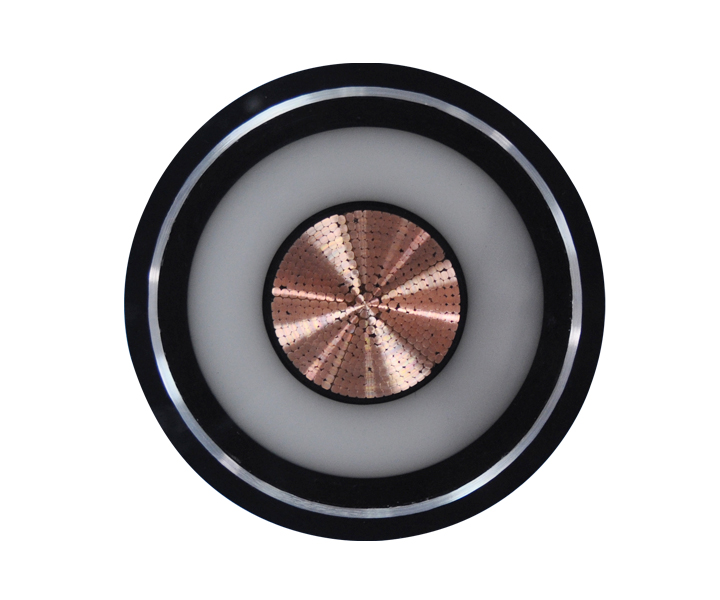
Marine electrical systems rely on specific cable categories tailored to their location and function on the vessel. Understanding these categories ensures the right product is installed in the right location, preventing premature failure and maintaining regulatory compliance.
These cables provide fixed wiring used for internal shipboard routing. They run through bulkheads, cable trays, and under decking to distribute power throughout the ship. Depending on their physical exposure, these cables come in armored and unarmored variants. Armored cables offer necessary crush resistance in high-traffic or machinery spaces, while unarmored versions save weight in protected conduits.
When routing power distribution cables, installers must consider the physical constraints of the vessel. Bulkhead penetrations require specialized transit frames to maintain watertight integrity. The cables passing through these transits must have jackets that compress evenly without tearing. Unarmored cables are typically easier to seal in these transits, but armored cables provide the necessary mechanical defense when routed across open cargo holds or near moving machinery.
Shore power cables bridge the pier’s power pedestal to the vessel’s AC intake system. This connection enables "cold-ironing," allowing the crew to run onboard appliances and charge DC battery banks without relying on noisy, emission-heavy onboard generators. Shore power applications demand high abrasion resistance, UV stability, and extreme flexibility to handle constant deployment, dragging across docks, and stowing.
The physical abuse a shore power cable takes is immense. It is dragged over concrete piers, pinched between the hull and the dock, and left baking in the sun or freezing in the snow. The jacket material must resist tearing and UV degradation. Additionally, the internal conductors must withstand the constant twisting and coiling associated with daily deployment and retrieval.
Confined shipboard spaces require cables that can navigate tight corners without sustaining internal damage. A high-strand-count flexible power cable solves this routing challenge. Beyond installation ease, flexibility absorbs continuous mechanical vibration from marine diesels and heavy generators. Stiff cables transfer this vibration directly to terminal blocks, leading to loosened connections and dangerous arcing. Flexible designs prevent these terminal connection failures.
Vibration is a silent killer of electrical systems. A large marine diesel engine produces low-frequency vibrations that travel through the hull and into the cable trays. If a rigid cable is bolted to a vibrating generator, the copper conductors will eventually work-harden and snap. High-strand-count flexible cables dissipate this kinetic energy along their length, ensuring the termination points remain secure and the conductors stay intact.
Evaluating marine cables requires understanding how specific materials and construction methods translate to field performance. Engineers must look beyond basic voltage ratings and examine the physical metallurgy and polymer chemistry of the cable.
Tin-plating individual copper strands provides a critical metallurgical advantage. The tin coating acts as a sacrificial barrier, preventing oxidation and galvanic corrosion when exposed to salt air and moisture. Furthermore, the strand count impacts both conductivity and bend radius. Higher strand counts create a more flexible cable that resists metal fatigue under constant motion.
Bare copper oxidizes rapidly in marine environments, forming a green patina that increases electrical resistance. This resistance generates heat at connection points, which can lead to thermal runaway and fires. Tinned copper maintains a clean, highly conductive surface even after years of exposure to humid, salty air. This ensures terminations remain cool and efficient.
Insulation materials like Cross-linked Polyethylene (XLPE) and Ethylene Propylene Rubber (EPR) offer high thermal stability and exceptional moisture resistance. Thermosetting jackets are vastly superior to standard thermoplastic jackets in marine environments. During high-current fault conditions, thermosetting materials will not melt or drip, maintaining insulation integrity when it is needed most.
Thermoplastic materials, like standard PVC, soften when heated and become brittle when cold. In an engine room fire or a severe short circuit, PVC will melt away from the conductors, causing secondary shorts and spreading the fire. Thermosetting materials undergo a chemical cross-linking process during manufacturing. Once cured, they will not melt, providing a critical layer of safety during thermal events.
When cables are exposed to potential physical damage, armoring is required. Bronze wire braid (BWB) and galvanized steel wire braid (GSWB) provide physical protection against crushing, impacts, and rodent damage. However, this introduces a trade-off. Armoring increases durability but significantly reduces cable flexibility and adds considerable weight to the vessel.
Choosing the right armor depends on the specific threat. Galvanized steel offers excellent crush resistance but is susceptible to rust if the outer jacket is breached. Bronze wire braid provides superior corrosion resistance and is often preferred on weather decks or in bilges where saltwater exposure is guaranteed. Installers must carefully terminate the armor layer, ensuring it is properly grounded to the vessel's hull to prevent stray electrical currents.
| Feature | Standard Industrial Cable | Marine-Grade Cable | Operational Outcome |
|---|---|---|---|
| Conductor | Bare Copper | Tinned Copper | Prevents internal corrosion and capillary action. |
| Jacket Material | Thermoplastic (PVC) | Thermosetting (XLPE/EPR) | Resists melting during thermal faults; high moisture resistance. |
| Strand Count | Low (Stiff) | High (Flexible) | Absorbs engine vibration; prevents terminal failure. |
| Fire Safety | Standard | LSZH / Flame Retardant | Protects crew from toxic smoke in confined spaces. |
| Chemical Resistance | Low (Degrades in oil) | High (Cross-linked polymers) | Survives bilge water, diesel fuel, and hydraulic fluid exposure. |
Maritime regulations strictly govern the materials used in vessel construction. Non-compliant cabling introduces massive liability, invalidates insurance policies, and puts the crew at direct risk.
Sourcing cables approved by recognized bodies like the American Bureau of Shipping (ABS), Det Norske Veritas (DNV), and Lloyd’s Register is mandatory for commercial vessels. These organizations rigorously test cables for marine suitability. A lack of proper certification directly impacts vessel insurance validity and operational legality in international waters.
Classification societies do not just test the final product; they audit the manufacturing process. They ensure the copper purity, the extrusion consistency of the insulation, and the effectiveness of the armoring meet strict maritime standards. When a shipyard installs ABS or DNV approved cable, they are guaranteeing a baseline of safety and performance that uncertified cables simply cannot provide.
Fires in confined marine spaces are exceptionally dangerous. LSZH cables are a life-safety requirement. In the event of a fire, standard PVC jackets release thick, toxic black smoke and corrosive halogen gases. LSZH materials prevent toxic gas emission and maintain visibility, allowing crews to safely evacuate or fight the fire. Compliance with IEC 60332 (flame retardance) and IEC 61034 (smoke emission) standards is critical.
The corrosive gases released by burning PVC do more than harm the crew; they destroy sensitive electronic equipment. Hydrochloric acid gas, a byproduct of burning PVC, will condense on circuit boards in the bridge or server rooms, causing catastrophic failure of navigation and communication systems even if the fire is contained elsewhere. LSZH cables eliminate this secondary damage.
Marine cables are categorized by their voltage capacities. Standard low-voltage cables (up to 1kV) handle typical onboard distribution and shore power. Medium and high-voltage marine cables (up to 35kV) are engineered specifically for modern electric propulsion vessels and heavy offshore platforms, requiring advanced shielding to manage electrical stress.
As vessels transition to hybrid and fully electric propulsion, the demand for medium-voltage marine cables has skyrocketed. These cables require semi-conductive screens and metallic shields to evenly distribute the electrical field and prevent insulation breakdown. Terminating these high-voltage cables requires specialized training and precise techniques to prevent corona discharge and premature failure.
Even the highest-quality cables will fail if installed incorrectly. Proper implementation requires strict adherence to engineering guidelines and an understanding of the physical limitations of the materials.
Routing cables through engine rooms exposes them to extreme ambient heat. Failing to recalculate ampacity for these high-temperature zones risks catastrophic cable failure. Mitigation requires applying the correct derating factors as outlined by IEEE 45 or IEC 60092 standards, ensuring the cable can safely carry the load without overheating.
If a cable is rated for 100 amps at 30 degrees Celsius, it cannot safely carry 100 amps when routed through an engine room operating at 50 degrees Celsius. The increased ambient temperature reduces the cable's ability to dissipate heat. Engineers must upsize the cable gauge to compensate for this derating, ensuring the internal conductor temperature never exceeds the insulation's maximum rating.
Over-bending stiff cables during installation creates micro-cracks in the insulation, compromising dielectric strength. To mitigate this, specify highly flexible cables for complex routes and strictly enforce the manufacturer's minimum bend radius guidelines during the pull.
Installers often force cables around tight corners to make the installation look neat. This practice destroys the cable. When a cable is bent past its minimum radius, the insulation on the outside of the bend stretches and thins, while the insulation on the inside compresses and wrinkles. This creates weak points where high voltage can punch through, causing a short circuit to the hull or adjacent cables.
Moisture ingress at connection points is a leading cause of electrical faults. Mitigation involves using marine-grade, IP68-rated cable glands. Furthermore, installers must use proper termination techniques for armored layers to maintain grounding integrity and prevent stray currents.
Ship-to-shore deployment involves risks like electrical arcing, plug degradation, and jacket abrasion. Mitigation requires strict safe usage protocols. Crews must connect the vessel side before energizing the pedestal, routinely inspect jackets for wear, and ensure cables are never submerged in water.
Dropping a shore power plug into saltwater is a common occurrence. If this happens, the plug must be completely disassembled, cleaned with fresh water, dried, and treated with a moisture-displacing spray before being used again. Plugging a wet or salt-contaminated connector into a live pedestal will cause immediate arcing, destroying the plug and potentially starting a fire on the dock.
A marine power cable is a highly engineered component essential for vessel safety and operational continuity, not a generic commodity. Selecting the wrong cable compromises the entire electrical system. Procurement teams should filter options first by classification society approvals, second by environmental requirements like LSZH and armoring, and third by exact electrical load specifications.
A: Marine cables feature tinned copper conductors to prevent corrosion in high-salinity environments. They also utilize high strand counts for flexibility against vibration and specialized thermosetting jackets that resist oil, water, and extreme temperatures, unlike standard industrial PVC cables.
A: Tinned copper prevents oxidation and galvanic corrosion. In marine environments, salt air and moisture quickly corrode bare copper, increasing electrical resistance and causing failure. The tin coating acts as a protective barrier, ensuring long-term conductivity and safety.
A: No. Shore power requires specific marine-rated jackets designed to withstand severe UV exposure, dockside abrasion, and saltwater immersion. Standard flexible cables lack this environmental resilience and the proper marine plug configurations required for safe ship-to-shore connections.
A: Always connect the cable to the boat first, then to the dock pedestal, and turn on the breaker last. Regularly inspect the jacket for cuts or wear, check plugs for scorch marks indicating arcing, and ensure the cable never hangs in the water.
A: LSZH stands for Low Smoke Zero Halogen. During a fire, these cables do not emit thick black smoke or toxic, corrosive halogen gases. This is a critical life-safety feature in confined vessel spaces, maintaining visibility and breathable air for crew evacuation.
A: Choosing the right size requires calculating the total amperage draw of the circuit, factoring in the acceptable voltage drop over the total length of the cable run, and applying ambient temperature derating factors, especially if routing through hot engine rooms.
A: No. Armoring is typically required for commercial vessels in exposed or hazardous machinery areas to prevent crushing and physical damage. It is less common in small recreational craft due to the added weight, increased cost, and reduced flexibility.
 简体中文
简体中文 

