

Views: 0 Author: Site Editor Publish Time: 2026-08-19 Origin: Site


Maritime environments destroy standard electrical wiring rapidly. Saltwater corrosion, extreme vibration, and severe temperature fluctuations degrade unprotected systems within months. Specifying incorrect cable materials introduces massive financial and safety risks. These risks include regulatory compliance failures, devastating electrical fires, and costly vessel downtime. You must understand exact marine cable material compositions—from the inner conductors to the outer sheathing—to evaluate and procure the correct specification for specific maritime applications. We see vessels fail inspections constantly because builders cut corners on wiring. A standard wire might look fine on day one, but the salt air penetrates the jacket and oxidizes the copper almost immediately. You need to know exactly what goes into a proper maritime electrical system to keep your vessel running safely and efficiently.
Electrical wiring on any vessel must meet strict success criteria. It must maintain high conductivity, resist constant moisture ingress, and remain flexible under relentless engine vibration. Standard wiring fails these criteria quickly. Understanding the terminology is the first step in material selection. Single-conductor "marine-grade wire" typically serves point-to-point internal connections. Conversely, a multi-conductor Marine Cable handles complex power distribution and control circuits across the vessel. When we pull old wiring out of refits, the difference between proper maritime spec and standard commercial wire is obvious. The standard wire snaps in your hands, while the proper maritime spec remains pliable even after a decade at sea.
The core of any reliable marine electrical system relies on the conductor material. Manufacturers use a chemical process to coat individual copper strands with a thin layer of tin. This tinning process creates a highly effective sacrificial barrier against galvanic corrosion. When exposed to humid, salt-laden air, bare copper turns black or green and loses conductivity. Tinned copper resists this oxidation entirely. We always check the exposed ends of wiring during surveys; if it is not silver-colored, it is not right for the job.
Mechanical durability is equally important. Marine environments subject wiring to continuous vibration from massive diesel engines and wave impacts. High strand counts, specifically Type III stranding, provide a distinct mechanical advantage. Hundreds of fine tinned copper strands bundle together to form the conductor. This construction absorbs vibration without suffering metal fatigue, unlike solid or low-strand regular wire. If you use stiff wire, the vibration will eventually snap the copper right at the terminal lug.
Engineers often question the use of aluminum conductors due to their weight advantages. However, tinned copper remains the strict industry standard. Aluminum exhibits high susceptibility to rapid galvanic corrosion in saltwater environments. It also expands and contracts significantly under thermal load, which loosens terminal connections and creates fire hazards. We never allow aluminum wiring on any vessel we inspect.
| Conductor Material | Corrosion Resistance | Vibration Tolerance | Maritime Suitability |
|---|---|---|---|
| Tinned Copper (Type III) | Excellent | High | Industry Standard |
| Bare Copper | Poor | Moderate | Not Recommended |
| Aluminum | Very Poor | Low | Unsafe for Marine Use |
The insulation layer surrounds the conductor and prevents electrical leakage. Material choice here dictates the thermal and electrical limits of the installation. You have to match the insulation to the specific zone on the ship. Engine rooms get incredibly hot, while exposed decks freeze.
Cross-Linked Polyethylene (XLPE) offers exceptional thermal resistance and high dielectric strength. It withstands temporary overloads without melting. We use XLPE heavily in main power distribution and high-voltage circuits. Ethylene Propylene Rubber (EPR) provides superior flexibility, particularly in extreme cold environments where other plastics become brittle. If you are routing through tight bulkheads in winter, EPR is much easier to work with.
Standard PVC has severe limitations in commercial marine applications. It suffers from thermal degradation near engine rooms and becomes rigid in cold weather, making installation difficult. We only see PVC used in light-duty internal cabin wiring, and even then, it is not the best choice.
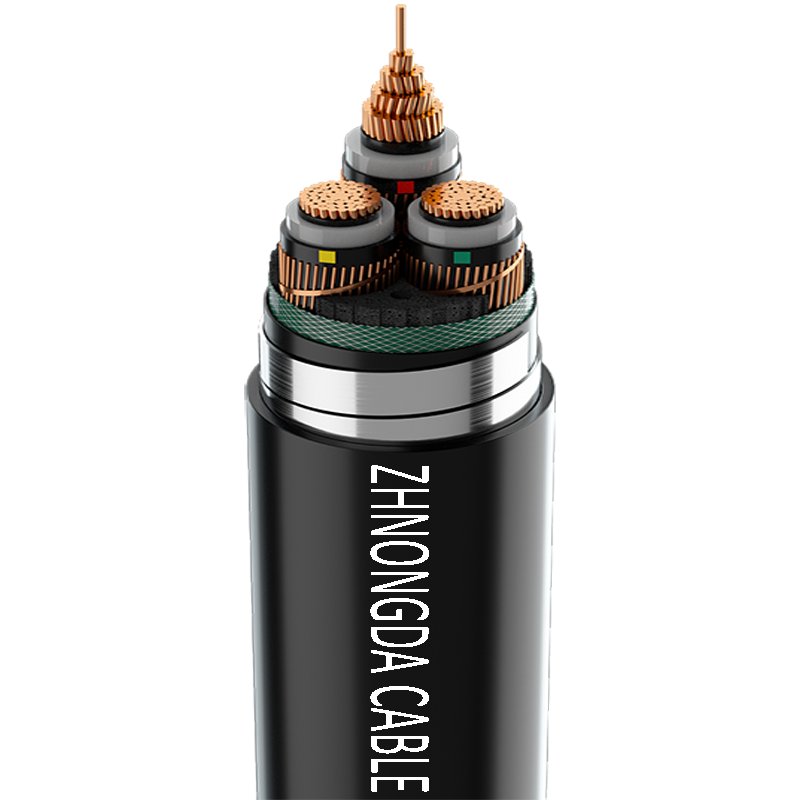
Vessels operate in dense electronic and harsh physical environments. You must differentiate between electrical shielding, which blocks invisible interference, and mechanical armoring, which stops physical impacts. Both are necessary, but they serve completely different functions.
Modern ships utilize complex variable frequency drives (VFDs), radar systems, and communication arrays. These devices generate or suffer from electromagnetic interference (EMI) and radio frequency interference (RFI). A shielded power cable utilizes a copper braid or aluminum foil layer wrapped around the insulated conductors. This shield captures stray electromagnetic fields and grounds them before they disrupt sensitive navigational equipment.
You must specify shielded variants for VFD motors, thruster controls, and any power routing near communication arrays. If you run unshielded power lines next to your transducer cables, your sonar screens will be full of static. We always mandate proper grounding of the shield at the source end to ensure the interference drains away safely.
Mechanical armor protects the internal components from crushing, abrasion, and rodent damage. Bronze wire braid offers excellent corrosion resistance and moderate physical protection. Galvanized steel wire braid (GSWB) provides superior impact resistance but adds significant weight. When selecting armored cables for weight-sensitive vessels, engineers must balance the need for physical protection against the vessel's overall mass budget.
The outer jacket serves as the first line of defense. You must assess how the outer jacket dictates survivability against specific external environmental factors. The jacket takes the brunt of the abuse, from spilled diesel fuel to baking sun.
Confined shipboard spaces make fire safety a top priority. Traditional plastics release thick, toxic black smoke and halogen gases when burned. These gases turn into corrosive acids upon contact with moisture in the lungs or on equipment. LSZH materials prevent toxic halogen gas release during a fire. They emit minimal white smoke, maintaining visibility for crew evacuation and preventing secondary corrosive damage to electronic systems. We specify LSZH for all interior routing, especially in crew quarters and bridge consoles.
Offshore drilling rigs and specialized vessels require extreme chemical resistance. Specialized jacket compounds, such as thermoset chlorinated polyethylene (CPE), withstand exposure to harsh drilling muds and aliphatic hydrocarbons. Standard jackets swell and degrade when exposed to these chemicals. For exposed deck installations, manufacturers add specific UV stabilizers to the sheathing compound to prevent sunlight from cracking and degrading the plastic over time. If you run a standard jacket on an open deck, the sun will bake it brittle within two years.
Matching material specifications to operational realities optimizes your long-term investment. You must evaluate the exact requirements of your installation environment. Do not just buy whatever is on the shelf; engineer the selection based on where the wire will live.
Different vessel systems require distinct structural profiles. Primary distribution wire handles general lighting and low-amp circuitry. Heavy-gauge battery cables require maximum flexibility and thick insulation to handle massive starting currents safely. Multi-conductor boat cables group several insulated wires inside a single jacket. You can select flat profiles for routing under bulkheads or round profiles for standard conduit installations.
Material requirements diverge significantly based on the maritime sector. Standard commercial vessels prioritize LSZH sheathing and high flexibility for tight routing. Offshore oil and gas platforms demand extreme mechanical protection and strict mud resistance. An offshore installation will heavily favor heavily armored, chemically resistant jackets over lightweight commercial variants. We see completely different spec sheets depending on whether the hull is a ferry or a drillship.
Material selection directly impacts regulatory approval. You must map specific materials to certification requirements from bodies like the American Bureau of Shipping (ABS), Det Norske Veritas (DNV), and the US Coast Guard (USCG). These organizations mandate specific insulation thicknesses, tinning standards, and flame retardancy levels. Installing non-compliant materials results in failed inspections, grounded vessels, and voided insurance policies. Always check the print legend on the jacket for the approval stamps before you pull the first foot off the spool.
Installing heavy-duty wiring introduces specific physical challenges. You must address these realities during the planning phase to avoid costly delays. Pulling thick, armored lines through a steel ship is hard labor, and doing it wrong damages the materials.
Heavy mechanical armor and thick XLPE insulation significantly reduce flexibility. This impacts the minimum bend radius during installation. Forcing a rigid assembly around tight bulkheads damages the internal shielding and compromises the insulation. You must calculate the allowable bend radius before routing and select highly stranded EPR insulated variants if space is severely restricted. We use specialized rollers and lubricants to ease the pull and protect the jacket.
Procurement teams often face pressure to use cheaper regular wire instead of true marine-grade tinned copper. This approach drastically increases long-term operational expenses. Untinned copper corrodes rapidly in salt air, leading to voltage drops, equipment failure, and high replacement frequency. The labor costs and operational downtime required to tear out and replace degraded wiring far exceed the initial premium of specifying the correct materials. Do it right the first time, or you will be doing it again in a year.
A true marine electrical installation relies on specific material combinations. It requires tinned copper conductors, specialized thermal insulation, and protective sheathing designed for harsh environments. A generic label is insufficient for maritime safety. Your shortlisting logic must follow a strict decision matrix. First, assess the environmental hazards, including oil, UV exposure, and vibration. Second, determine your electrical requirements and identify areas needing interference mitigation. Finally, verify that the selected materials hold the required agency approvals for your vessel class.
A: Automotive wire uses bare copper and standard PVC insulation. It cannot withstand saltwater environments. Marine-specific wiring uses individually tinned copper strands to prevent galvanic corrosion and utilizes high-grade insulation designed to resist oil, water, and extreme engine room temperatures.
A: Marine-grade wire typically refers to a single insulated conductor used for internal, point-to-point connections. A marine cable consists of multiple insulated conductors bundled together inside a heavy-duty outer protective jacket, used for complex power and control distribution.
A: Bare copper oxidizes rapidly when exposed to humid, salt-laden air, turning black and losing conductivity. Tinning each individual copper strand creates a sacrificial barrier that prevents this oxidation, ensuring long-term electrical reliability and safety.
A: No. Aluminum is highly susceptible to rapid galvanic corrosion in saltwater environments. It also expands and contracts under thermal loads, which can loosen terminal connections and create severe fire hazards. Tinned copper is the required standard.
A: You must use shielded variants when routing power to variable frequency drives (VFDs), thruster motors, or near sensitive navigational and communication equipment. The shield blocks electromagnetic interference (EMI) that can disrupt critical shipboard systems.
A: LSZH stands for Low Smoke Zero Halogen. In the event of a fire, LSZH jackets emit minimal white smoke and do not release toxic, corrosive halogen gases. This is critical for crew safety and equipment protection in confined shipboard spaces.
 简体中文
简体中文 

