

Views: 0 Author: Site Editor Publish Time: 2026-08-20 Origin: Site


Standard electrical failures in maritime environments are not just inconveniences; they are critical safety hazards. Saltwater corrosion, constant vibration, and enclosed-space fire risks demand highly specialized electrical infrastructure. Engineers, boat builders, and procurement teams often struggle to balance strict compliance standards (ABYC, USCG, IEC) with the physical constraints of vessel routing and the electrical demands of modern onboard systems. Under-speccing leads to catastrophic failures and overheating, while over-speccing inflates project weight and complicates installation. This guide provides an evidence-based framework for Marine Cable Selection, moving from systematic load calculation and environmental mapping to compliance verification and final specification.
The distinction between true marine wire and standard automotive or industrial wire lies in the physical construction. Marine cables utilize individually tinned copper strands, whereas automotive wires often use bare copper. Tinning prevents the rapid oxidation and galvanic corrosion that occurs when copper is exposed to salty, humid marine air. You will see bare copper turn green and black within months on a boat, increasing resistance and heat. Marine wire features a high strand count, known as Type 3 stranding, to provide maximum flexibility. Solid core or low-strand-count wires are highly susceptible to work-hardening and snapping under the constant vibration of a marine environment. Non-marine wires also suffer from capillary action, where moisture is drawn up the wire beneath the insulation, leading to invisible corrosion and eventual failure.
| Feature | Marine Grade Cable | Automotive/Industrial Wire |
|---|---|---|
| Conductor Material | Individually tinned copper strands | Bare copper |
| Stranding Type | Type 3 (High strand count, highly flexible) | Type 1 or 2 (Lower strand count, stiffer) |
| Insulation Resistance | High resistance to oil, fuel, saltwater, UV | Basic heat and abrasion resistance |
| Vibration Tolerance | Excellent (resists work-hardening) | Poor (prone to snapping at terminals) |
Before procuring any materials, create a comprehensive cable inventory. Document every onboard system requiring power, control, or communication. Physically map the routing paths to identify exact run lengths and potential pinch points. This mapping process helps you identify environmental zones, which dictate the required cable specifications. Engine rooms expose cables to high heat, oil, and fuel. Bilges present risks of submersion and chemical exposure. Weather decks subject wiring to UV radiation and saltwater spray. Understanding these zones ensures you select insulation and jacketing materials capable of withstanding specific local hazards.
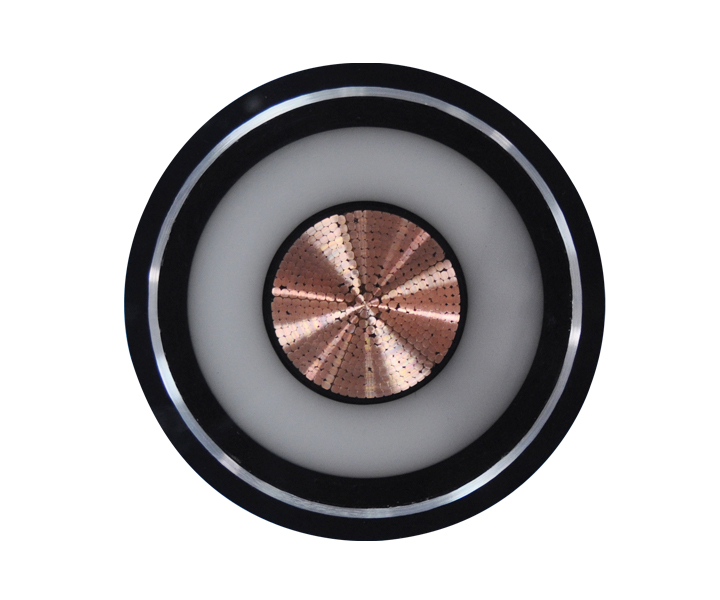
Routing high-amperage power from generators or battery banks to main distribution panels requires careful consideration. You must differentiate between Low Voltage (LV) requirements for standard 12V/24V/48V DC recreational systems and Medium/High Voltage requirements for AC distribution on commercial offshore platforms. When routing through engine rooms, evaluate the insulation thickness and thermal ratings to ensure the cables can handle elevated ambient temperatures without degrading. Battery cables must be exceptionally flexible to allow for engine movement on mounts without stressing the terminal connections.
In specific scenarios, you need to specify a braided power cable for enhanced mechanical protection and flexibility. Braided shielding plays a critical role in mitigating Electromagnetic Interference (EMI) near sensitive navigation and communication equipment. Braided power cables excel in high-vibration zones where standard jacketing might chafe against bulkheads or machinery, providing an extra layer of physical durability. The metal braid acts as a physical barrier against abrasion while maintaining the flexibility needed for tight routing.
Modern vessels rely heavily on data networks. Selecting twisted pair and shielded cables is necessary for NMEA 2000 networks, radar, and sonar systems. You must balance data integrity with physical durability, especially when routing these cables through tight spaces alongside power lines. Proper shielding prevents cross-talk and ensures reliable signal transmission. Keep data cables physically separated from high-current AC lines whenever possible to minimize interference.
Establish a framework for calculating total continuous and intermittent electrical loads to ensure optimal power transmission. Match the voltage and current ratings of the cable to the system's requirements. The cable's maximum rating must exceed the system's peak output to prevent dielectric breakdown and catastrophic overheating. Remember to account for ambient temperature; cables routed through hot engine rooms require derating, meaning their effective ampacity is lower than in cooler environments.
| Ambient Temperature | Ampacity Derating Factor (105°C Rated Wire) |
|---|---|
| 30°C (86°F) | 1.00 (No derating) |
| 40°C (104°F) | 0.91 |
| 50°C (122°F) | 0.82 |
| 60°C (140°F) | 0.71 |
Voltage drop is a critical factor in marine electrical design. Calculate voltage drop based on the round-trip run length, current, and wire gauge. Apply a strict decision matrix: limit voltage drop to 3% for critical safety equipment (bilge pumps, navigation lights, VHF radios) and 10% for general, non-critical loads (cabin lighting, fans). Ignoring the round-trip multiplier in DC circuits is a common error that leads to undersized cables and equipment malfunction. A 20-foot run to a light fixture is a 40-foot round trip for the circuit.
Evaluate insulation materials based on the application. PVC, XLPE (Cross-linked polyethylene), and EPR (Ethylene propylene rubber) offer different levels of flexibility, heat resistance, and durability. Assess the resistance ratings of the jacketing against oil, fuel, acid, UV, and moisture. A BC-5W2 rating indicates suitability for marine environments. XLPE is highly recommended for primary power distribution due to its superior thermal stability and resistance to abrasion compared to standard PVC.
Compliance is mandatory for safety and insurance purposes. Familiarize yourself with the ABYC (American Boat and Yacht Council) standards for recreational and light commercial vessels. For commercial vessels in US waters, adhere to USCG (United States Coast Guard) Title 33 CFR requirements. International shipbuilding and offshore structures rely on the IEC 60092 series. Selecting cables with verified certifications mitigates liability and ensures operational reliability. Surveyors will check for these specific print legends on the cable jackets during inspections.
Evaluate the necessity of Low Smoke Zero Halogen (LSZH) cables, particularly in enclosed passenger spaces or submarines, where toxic smoke during a fire is deadly. Understand the difference between flame retardant (IEC 60332) and fire-resistant (IEC 60331) testing standards to specify the correct cables for critical safety systems that must remain operational during a fire. Fire-resistant cables maintain circuit integrity for a specified duration under direct flame, allowing emergency systems to function.
Avoid using solid core wire, which is prohibited by ABYC due to vibration fatigue. Ensure adequate strain relief and use proper termination methods. Mechanical crimps with adhesive-lined heat shrink are vastly superior to soldered connections. Solder creates a hard spot on the stranded wire that will eventually crack under vibration. Always support cables every 18 inches to prevent sagging and strain on the terminals. Route cables high in the bilge to avoid standing water, even if the insulation is rated for submersion.
Conduct a thorough analysis of investing in premium tinned, high-strand cables versus the labor and downtime costs of replacing corroded wiring mid-season. Standardizing cable gauges across a project can reduce procurement complexity and minimize waste. For example, using 14 AWG for all lighting circuits, even if 16 AWG would suffice for some, simplifies inventory and reduces the chance of installing the wrong wire size.
Successful marine cable selection requires prioritizing environmental resilience, precise load calculations, and strict regulatory compliance to ensure vessel safety and operational longevity.
A: Marine cables generally fall into three specialized categories: Power cables for energy distribution, Control cables for operating machinery, and Communication/Data cables for navigation and networking.
A: Marine cable features tinned copper strands to prevent corrosion, a higher strand count for vibration resistance, and specialized insulation resistant to oil, water, and fire.
A: Use the formula involving current, round-trip cable length, and wire resistance, ensuring it stays under 3% for critical systems and 10% for non-critical systems.
A: In areas requiring high flexibility, extreme mechanical protection against chafing, or where EMI shielding is necessary to protect nearby electronics.
A: No. Solid core wires are highly susceptible to work-hardening and snapping under the constant vibration of a marine environment. ABYC standards require stranded wire.
A: American Wire Gauge. It is the standard system denoting the diameter of the wire, which directly correlates to its current-carrying capacity and resistance.
A: Tinning coats each individual copper strand, preventing the rapid oxidation and galvanic corrosion that occurs when bare copper is exposed to salty, humid marine air.
 简体中文
简体中文 

