

Views: 0 Author: Site Editor Publish Time: 2026-11-12 Origin: Site


Is your marine machinery space truly safe? Look inside the beating heart of any commercial vessel. The machinery space is an unforgiving environment. Intense heat, relentless vibration, and constant chemical exposure define this critical zone. Every single day, extreme thermal stress and aggressive petrochemicals threaten to destroy standard electrical wiring. When conventional wires fail here, the consequences are severe. You face sudden propulsion loss or deadly electrical fires.
To mitigate these severe risks, you need highly specialized wiring engineered specifically to stop catastrophic failures before they start. Choosing the correct specification is not merely a matter of power transmission. It is a fundamental safety and compliance decision. In this comprehensive guide, we explore the exact material grades, structural requirements, and international certifications necessary to keep your machinery spaces operational and secure.
Chemical Defense is Non-Negotiable: Cables must feature high-grade elastomeric sheathing, typically SHF2, to withstand continuous exposure to diesel fuels and hydraulic fluids without degrading.
Safety First with Halogen-Free Materials: Zero-halogen construction is mandatory. In the event of a fire, toxic and corrosive gases will not trap the crew or destroy sensitive electronics.
Fire Survival: Self-extinguishing properties meeting stringent IEC 60332 standards prevent fires from traveling along the cable routing into other compartments.
High-Temperature Tolerance: Inner insulation materials like XLPE or EPR are required to safely handle the extreme ambient temperatures generated by marine propulsion systems.
Compliance is Key: Always verify that cables are certified by major maritime classification societies before installation.
The marine Engine Room is arguably the most hostile operating environment on any commercial or industrial vessel. Standard commercial wiring is entirely inadequate for this space. It lacks the structural and chemical resilience required to survive. Understanding the specific environmental stressors is your first step in selecting the correct cable grade.
Stand next to a massive two-stroke diesel engine operating at full load. The radiant heat is palpable. Ambient temperatures in certain zones of the engine compartment easily exceed 50 degrees Celsius. Localized hot spots push much higher. Under these punishing conditions, standard polyvinyl chloride cable insulation softens, degrades, and ultimately melts. To navigate this, specialized marine wiring utilizes thermosetting insulation materials. These maintain their electrical and physical integrity at continuous operating temperatures of 90 degrees Celsius, actively preventing thermal breakdown and short circuits.
The atmosphere within a propulsion compartment is rarely clean. Airborne oil mists, diesel fuel vapors, and accidental chemical spills saturate the space. When standard non-resistant cable jackets are exposed to these hydrocarbons, a destructive chemical reaction occurs. The outer sheath absorbs the fluid. It swells, loses tensile strength, and eventually cracks open. This exposes the live copper conductors. Consequently, marine-grade wiring must possess a specialized outer matrix designed to repel petrochemicals and maintain structural elasticity over decades of service.
Massive diesel engines and auxiliary generators create continuous low-frequency vibrations. These reverberate through the vessel hull and cable trays. This relentless mechanical stress causes standard solid-core or poorly stranded wires to experience work-hardening. Internal micro-fractures follow. External friction against metal cable trays requires the outer sheath of the cable to be highly abrasion-resistant to prevent mechanical wear during rough sea transits.
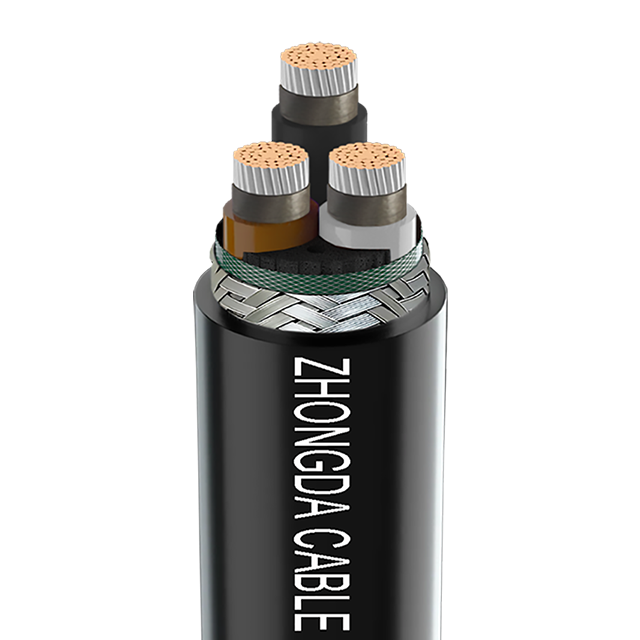
To mitigate the hazards outlined above, maritime regulatory bodies mandate that electrical wiring in propulsion compartments possess specific chemical and structural properties. These features are not optional upgrades. They are baseline requirements for survival at sea.
There is a distinct technical difference between basic water resistance and true marine Oil Resistance. A standard weather-resistant cable fails rapidly when submerged in hydraulic fluid. Machinery space wiring requires an elastomeric outer sheath that actively resists hydrocarbon penetration. During rigorous laboratory testing, such as those defined by NEK 606 standards, these cables are submerged in hot oil for extended periods. To pass, the cable jacket must not swell beyond a strict percentage. It cannot dissolve or lose its mechanical flexibility.
In the terrifying event of an electrical fault or a localized fuel fire, the cable routing must not act as a wick that spreads the blaze to other decks. The outer sheath must be engineered to self-extinguish once the primary heat source is removed. Standardized tests evaluate how cables perform when bundled together in vertical trays. A compliant Flame Retardant cable chars and forms a protective ash layer. This actively halts the propagation of the flames and contains the incident to a single zone.
The transition away from legacy plastics revolutionized maritime safety. Older cables relied heavily on halogens, like chlorine and fluorine, for fire resistance. When these halogens burn, they release thick, blinding black smoke and highly toxic hydrogen chloride gas. In an enclosed engine compartment, this smoke removes all visibility for evacuation and firefighting. The gas mixes with ambient moisture to form hydrochloric acid, which corrodes critical navigation and control electronics. Modern construction ensures that any combustion produces minimal, translucent smoke and zero toxic acidic gases.
When specifying materials for maritime use, engineers frequently encounter two primary outer sheath designations defined by IEC 60092-359. Selecting the wrong grade for a high-risk compartment leads to catastrophic operational failures. Let us break down the core differences.
Feature | SHF1 Grade | SHF2 Grade |
|---|---|---|
Material Type | Thermoplastic Halogen-Free | Cross-linked Thermosetting Elastomer |
Heat Tolerance | Softens at extreme high temperatures | Maintains structure at extreme heat |
Oil & Mud Resistance | Limited / Basic | Exceptional / Heavy-Duty |
Best Application | Accommodation areas, control rooms | Engine bilges, pump rooms, fuel areas |
SHF1 is a thermoplastic material. It is fully halogen-free and provides excellent fire safety. This makes it highly suitable for general shipboard applications, passenger accommodation areas, and climate-controlled control rooms. Because it is a thermoplastic, it becomes softer at very high temperatures. It offers only limited resistance to prolonged mud and heavy oil exposure. SHF1 is generally not recommended for direct installation in the lower engine bilges or near fuel purifiers.
SHF2 is a thermosetting, cross-linked elastomer. The cross-linking manufacturing process fundamentally alters the chemical structure of the polymer. It will not melt or significantly soften even when exposed to extreme heat. More importantly, SHF2 offers exceptional, heavy-duty resistance to engine oils, drilling muds, and harsh solvents. For the unforgiving environment of the propulsion room, SHF2 is the ultimate, empirically proven grade.
Beneath the outer sheath, the inner insulation protecting the copper conductors must also handle high thermal loads. The two most common compliant materials are Ethylene Propylene Rubber and Cross-Linked Polyethylene. Ethylene Propylene Rubber is highly flexible, making installation in tight corners significantly easier. Cross-Linked Polyethylene is slightly stiffer but offers superior dielectric strength. Both are correctly rated for 90 degrees Celsius continuous operation.
As maritime regulations tighten and vessel architectures evolve, the engineering philosophy behind machinery space wiring is undergoing a significant transformation. Recent industry analyses indicate a strong shift toward compact, lighter-weight cabling solutions that do not compromise on SHF2 durability. With the rise of hybrid-electric propulsion systems and advanced emissions scrubbers, modern engine compartments are becoming increasingly crowded. Naval architects now demand cables with smaller outer diameters and enhanced flexibility. This allows installers to navigate tighter bending radiuses without risking insulation damage.
Sustainability and crew safety mandates drive stricter global enforcement of Low Smoke Halogen Free policies. Port State Control authorities scrutinize fire safety documentation more rigorously than ever before. This regulatory pressure forces shipowners to proactively retrofit older vessels with advanced elastomeric cables. Moving away from legacy materials ensures absolute compliance with the latest international fire survival protocols.
Unarmored cables are utilized in protected conduits. The exposed nature of engine room cable trays often requires mechanical armoring. Armoring provides a physical barrier against dropped tools, severe vibration, and accidental impacts during heavy machinery maintenance.
Galvanized steel wire braid is a highly common and cost-effective armoring solution. Woven from high-tensile steel wires, it provides robust physical protection against crushing forces and sharp impacts. The galvanization process adds a layer of zinc to protect the steel from standard atmospheric moisture. In highly corrosive, salt-heavy marine environments, steel can eventually degrade if the outer sheath is compromised.
For premium marine installations, tinned copper wire braid is the preferred standard. Copper is inherently more resistant to marine corrosion than steel. The tin coating further prevents oxidation. Beyond physical protection, it offers superior electrical properties. In a compartment filled with massive alternators and variable frequency drives, tinned copper acts as an excellent electromagnetic interference shield. It protects sensitive sensor data while providing a highly conductive grounding path for electrical safety.
Selecting wiring for a marine environment is not a process that allows for guesswork. The machinery space is subject to strict regulatory oversight. Any electrical component installed within this space must comply with rigorous international maritime standards.
The International Electrotechnical Commission 60092 series serves as the definitive global standard for electrical installations on ships. This comprehensive set of guidelines dictates everything from the structural design of the conductors to the specific insulating materials required for different zones of a vessel. Compliance with sub-standards like IEC 60092-350 and IEC 60092-353 ensures the core structural integrity of the electrical system.
In the event of a thermal incident, the behavior of the cable jacket is a matter of life and death. To mitigate fire risks, products must pass specific testing protocols. The IEC 60332 standard evaluates flame retardant properties, ensuring that a heavily bunched routing of cables will self-extinguish. IEC 61034 and IEC 60754 measure smoke density and halogen gas emissions, guaranteeing that crew members will maintain sufficient visibility to locate emergency exits.
Internal factory testing is never sufficient for maritime deployment. Any electrical product designated for an engine room must carry Type Approval from recognized maritime classification societies. These independent bodies rigorously audit the manufacturing process, test the materials, and certify that the product can survive the harsh realities of sea travel. Always look for official certification stamps from organizations such as the American Bureau of Shipping, DNV, Lloyd's Register, or Bureau Veritas.
Procuring the correct electrical infrastructure requires a meticulous assessment of your vessel operational parameters. Moving from the engineering blueprint to the purchasing phase involves calculating precise electrical loads and identifying reliable manufacturing partners.
An engine room houses a complex network of electrical systems, each requiring a specific type of wiring. Heavy power cables are necessary to connect massive diesel generators to the main switchboards. Premium 0.6/1kV or 1.8/3kV rated power cables typically require large cross-sectional areas and robust armor to handle high voltage and physical stress. Engine monitoring systems, temperature sensors, and automated valves require multi-core control and instrumentation cables. These low-voltage lines prioritize signal integrity and shielding over raw power transmission.
One of the most critical engineering mistakes made during vessel retrofits is failing to account for ambient temperature derating. Standard commercial electrical codes often assume an ambient temperature of 30 degrees Celsius. An active marine engine room routinely operates at ambient temperatures between 45 and 55 degrees Celsius. Electrical resistance generates internal heat. The cable insulation must handle both the internal conductor temperature and the external heat. As ambient temperature rises, the safe current-carrying capacity of the cable decreases. Engineers must apply strict derating factors to prevent the insulation from melting.
The maritime supply chain is complex. Counterfeit or substandard marine products are a known industry risk. Sourcing directly from specialized manufacturers ensures that you receive authentic, fully certified materials. When planning a vessel overhaul, selecting a high-quality Shipboard Cable from a reputable supplier guarantees strict quality control, accurate documentation, and trace-ability. Reliable manufacturers provide comprehensive specification sheets detailing exact tolerances and classification society approvals. This allows procurement teams to buy with absolute confidence.
Even the highest-grade SHF2 cable can fail prematurely if it is subjected to improper installation techniques. The mechanical environment of a machinery space requires specific handling to ensure long-term reliability and safety.
Cable routing must be strategically planned to avoid the most severe hazards within the machinery space. Cables should never be routed directly against uninsulated exhaust manifolds, turbochargers, or steam pipes. Localized radiant heat can easily exceed the 90 degrees Celsius rating of standard cross-linked insulation. Strict segregation protocols must be followed. High-voltage power transmission lines generate electromagnetic fields that can disrupt sensitive low-voltage control signals. Instrumentation wiring connecting to engine governors or fire detection sensors must be routed on separate cable trays.
Marine diesel engines generate relentless vibrations that transfer directly into the vessel hull. If a cable is pulled completely taut between a vibrating engine block and a rigid bulkhead, the constant mechanical oscillation will eventually cause metal fatigue. This snaps the internal copper conductors. Installers must implement service loops or deliberate slack at termination points to absorb this mechanical energy. Forcing a thick, armored cable into a tight 90-degree corner can crush the inner insulation and compromise the sheath. Strict adherence to the manufacturer minimum bending radius is mandatory.
Attempting to reduce initial construction or repair costs by specifying lower-grade electrical materials is a dangerous miscalculation. It inevitably leads to massive financial and operational penalties. The engine room is an unforgiving environment that rapidly exposes substandard engineering.
The most immediate hidden cost is accelerated degradation. If a standard commercial cable, or even a basic SHF1 rated marine cable, is installed in an area with high hydrocarbon exposure, the lack of true chemical resistance causes the outer jacket to swell, soften, and eventually dissolve. Once the inner conductors are exposed to moisture and conductive metallic dust, short circuits are inevitable. When a critical electrical failure occurs at sea, the vessel experiences immediate downtime. The cost of an idle commercial vessel can easily exceed tens of thousands of dollars per day. A cable failure is not just a spark. It is a massive financial hit.
Beyond operational downtime, the legal and financial risks are severe. If classification society surveyors discover non-compliant wiring during an audit, they can revoke the vessel operational certificate until the entire system is ripped out and replaced. In the worst-case scenario of an electrical fire, insurance investigators will heavily scrutinize the electrical components. If it is proven that the fire spread due to the absence of proper self-extinguishing materials, the insurance company may deny the multi-million dollar claim entirely.
Machinery spaces represent the most demanding environment on any vessel. Selecting the correct wiring infrastructure is absolutely critical to operational survival. The ideal choice for this hazardous zone is an SHF2 graded product, featuring robust elastomeric defenses against fuels and lubricants. Coupled with self-extinguishing properties to prevent rapid fire spread and zero-halogen construction to protect your crew, proper marine-grade wiring ensures complete vessel safety.
Investing in the correct specifications guarantees compliance with strict international maritime laws and protects your vessel from catastrophic downtime. Before undertaking your next shipbuilding or retrofit project, evaluate your exact load and environmental requirements. Choose certified, proven materials designed for the harshest conditions. For authentic, fully compliant marine electrical solutions, explore the specialized inventory at ZD Cables to ensure every inch of your infrastructure is built to last.
No. Standard polyvinyl chloride cables are entirely unsuitable for marine machinery spaces. They degrade rapidly when exposed to the continuous high heat, diesel fuels, and lubricating oils present in an engine room. More importantly, they are not zero-halogen materials. In the event of a fire, they release thick, toxic black smoke and highly corrosive chlorine gas, violating modern marine safety standards and trapping crews in enclosed spaces.
The primary difference lies in their chemical composition and resistance to harsh environments. SHF1 is a thermoplastic, halogen-free material well-suited for general indoor ship environments, such as accommodation decks. SHF2 is a cross-linked, thermosetting elastomer. This advanced chemical structure gives SHF2 exceptional resistance to mud and oil, alongside superior high-temperature tolerance. This makes it the mandatory, heavy-duty grade required for extreme environments like engine and pump rooms.
Engine rooms are constantly exposed to airborne oil mists, diesel fuel spills, and hydraulic fluids. If an electrical cable lacks high-level defense against these chemicals, aggressive hydrocarbons will attack the outer jacket. The jacket will begin to swell, lose its mechanical strength, and eventually crack open. This exposes the live electrical conductors to the surrounding environment, creating an immediate risk of catastrophic short circuits or electrical fires.
While unarmored cables are permitted in certain highly protected conduits, armored cables are strongly recommended and often required for open tray installations in machinery spaces. The armor provides crucial mechanical protection against physical impacts, such as dropped heavy tools. Tinned copper armor provides excellent electrical shielding against electromagnetic interference generated by large alternators.
Your electrical wiring must comply with the international IEC 60092 series standards for marine installations. To ensure safety and regulatory compliance, the product must possess official Type Approval certifications from recognized maritime classification societies. Always verify that the cables carry valid stamps from reputable organizations such as the American Bureau of Shipping, DNV, Lloyd's Register, or Bureau Veritas before purchasing or installing them.
When properly specified and installed, high-grade SHF2 marine cables are designed to last the operational lifespan of the vessel, typically 20 to 25 years. This lifespan drastically decreases if the cables are subjected to mechanical abuse, routed too close to uninsulated exhaust pipes, or if non-marine grade materials are mistakenly used.
Compliance testing involves rigorous laboratory procedures defined by international standards like IEC and NEK 606. Cables undergo hot oil immersion tests to measure swelling and degradation. They are subjected to vertical flame propagation tests to verify self-extinguishing properties. Smoke density and toxicity tests ensure no harmful halogen gases are released during combustion.
 简体中文


