

Views: 0 Author: Site Editor Publish Time: 2026-11-06 Origin: Site


The marine environment is notoriously unforgiving. Saltwater corrosion, extreme temperature fluctuations, heavy mechanical vibrations, and the catastrophic risks of shipboard fires present constant daily challenges to maritime infrastructure. Standard commercial wiring simply cannot withstand these brutal conditions. When exposed to the elements of the open sea, off-the-shelf products fail rapidly. This inevitably leads to costly operational downtime, compromised navigation systems, or severe accidents on commercial vessels and offshore platforms.
Specialized engineering becomes essential here. The secret to a power or communication line's long-term survival at sea does not just lie in the raw materials utilized. It is deeply rooted in the uncompromising testing protocols the product undergoes before it ever leaves the factory floor. In this comprehensive guide, we will explore the critical assessments required for maritime infrastructure. We will cover electrical integrity, fire safety, mechanical durability, and the official classification society certifications that definitively prove a product is ready for the ocean.
Safety First: A reputable production facility strictly prioritizes fire safety through comprehensive smoke emission and flame retardance testing.
Electrical Reliability: Advanced assessments ensure that wiring handles unexpected power surges without dangerous insulation breakdown.
Consistent Quality: Systematic routine checks and batch evaluation protocols guarantee every single spool meets the exact high standards of the original approved prototype.
Global Compliance: Securing formal certification from major maritime classification societies remains a strict legal requirement for marine applications.
The maritime sector is currently experiencing a massive shift toward vessel electrification and the rapid expansion of offshore renewable energy. As hybrid propulsion systems and dynamic positioning technologies become standard across modern fleets, the electrical load demands placed on shipboard wiring have skyrocketed. Industry trends show a clear move towards higher voltage systems to improve operational efficiency and reduce overall vessel weight. Consequently, today's infrastructure must endure unprecedented electrical stress while maintaining extreme physical flexibility. This evolution means that legacy testing methods are no longer sufficient. Modern testing protocols must simulate these high-load, high-stress environments to ensure absolute reliability at sea.
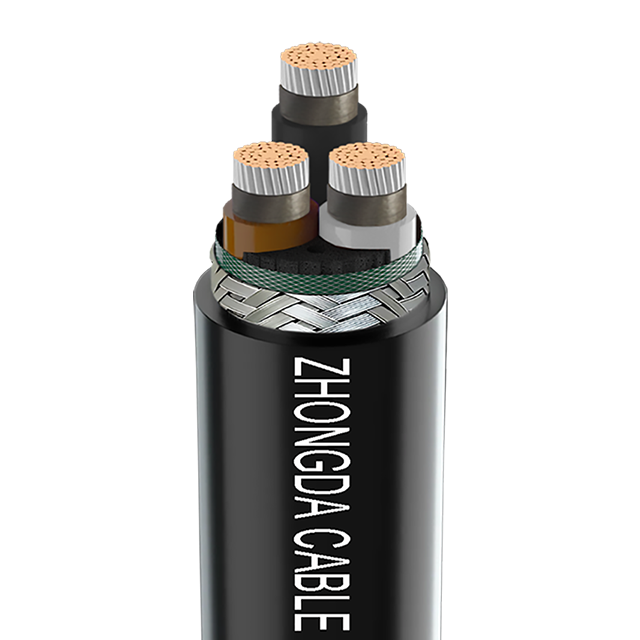
Maritime operations involve exceptionally high stakes. A system failure on an offshore drilling rig, a naval defense vessel, or a commercial bulk carrier is never just a minor operational inconvenience. It represents a severe safety hazard that can compromise the entire vessel, leaving the crew stranded or vulnerable to uncontrollable hazards.
To meet modern demands, top-tier engineers do not merely build standard power conduits. They engineer critical survival systems that must function flawlessly under duress. Extensive, documented testing remains the only objective way to validate that engineering. These rigorous testing protocols are not arbitrary internal metrics. They are dictated by strict international maritime standards, most notably the IEC 60092 series, which governs electrical installations in ships. Compliance requires dedicated, state-of-the-art laboratory environments where materials are deliberately pushed to their absolute physical and electrical limits.
The fundamental purpose of any power or communication line is to transmit current safely and efficiently across a network. Electrical testing ensures the product can carry this electricity without short-circuiting, degrading over time, or posing a shock hazard to the crew navigating the tight confines of a ship.
Often referred to as a dielectric withstand or high potential test, the Voltage Withstand assessment is a foundational electrical safety check. During this rigorous procedure, technicians apply a significantly higher-than-normal voltage to the core for a specified duration. For instance, a standard marine power line rated for 0.6/1kV is typically subjected to 3.5kV for five continuous minutes.
The primary objective is to monitor the internal XLPE or EPR insulation's ability to resist extreme electrical stress without breaking down or allowing excessive leakage current. Passing this evaluation is absolutely critical for preventing electrical fires and protecting sensitive navigation equipment from unexpected, violent power surges.
Beyond merely withstanding high voltage, internal components must operate with maximum efficiency. In a sweltering engine room where ambient temperatures regularly exceed 50°C, high electrical resistance can cause wiring to overheat dangerously, melting surrounding plastics. To prevent this, engineers meticulously measure the electrical resistance of the internal tinned copper conductors using highly calibrated micro-ohmmeters. Lower resistance ensures efficient energy transmission and minimizes dangerous heat generation within enclosed, unventilated spaces.
Equally important, insulation resistance testing verifies that the protective polymer layers have not been compromised, thinned, or microscopically damaged during the high-speed extrusion and manufacturing processes.
In the claustrophobic, highly compartmentalized spaces of a maritime vessel, a fire is the ultimate nightmare. Evacuation routes are narrow, and jumping overboard is rarely a viable option. Therefore, the fire behavior of installed building materials is literally a matter of life and death.
Imagine a crew desperately trying to navigate a narrow ship corridor during an emergency. Thick, toxic black smoke often poses a greater immediate threat to human life than the actual flames, entirely blinding personnel. To combat this, the Smoke Density test, governed by international standards like IEC 61034, is specifically designed to measure the optical density of smoke generated during combustion.
A sample is placed in a specialized, controlled 3-meter cubic testing chamber and ignited using a standardized alcohol fire source. Photometric sensors then continuously measure the light transmittance across the chamber. Maintaining high light transmittance is absolutely vital. It ensures that crew members can clearly see escape routes, emergency exit signs, and firefighting equipment during a vessel fire.
It is highly important for buyers to differentiate between flame-retardant and fire-resistant properties, as they serve entirely different survival functions.
Specifically, flame retardance testing under IEC 60332-3-22 Category A ensures products are engineered with specific chemical compounds to self-extinguish. Once the primary flame source is removed, the material stops burning. This prevents the fire from traveling along the tray into other compartments of the ship.
In contrast, fire resistance under IEC 60331 is a much more severe standard. These designs maintain complete electrical circuit integrity for a specified time, often up to three hours, while actively burning in temperatures exceeding 750°C. This ensures that critical survival systems, such as emergency lighting, public address alarms, and fire-suppression water pumps, remain fully operational when they are needed most.
Modern maritime safety regulations heavily favor Low Smoke Zero Halogen, commonly known as LSZH, materials. Standard industrial plastics, such as PVC, contain halogens like chlorine. When burned, these halogenated plastics undergo a chemical reaction that releases highly toxic, corrosive acid gases. If inhaled, these gases cause severe respiratory damage. Furthermore, when mixed with moisture from firefighting efforts, they form hydrochloric acid that rapidly destroys sensitive shipboard electronics and metal bulkheads. Rigorous chemical testing confirms the complete absence of these dangerous compounds.
Ocean environments subject infrastructure to constant, unrelenting physical abuse. Components must be systematically tested against the specific environmental stressors they will face at sea over a lifespan of decades.
Vessels operating in arctic waters or deep-sea environments face extreme freezing conditions. Picture a team of deckhands installing power lines on an icebreaker in the Arctic Circle, where the ambient temperature plunges to -40°C. Under these brutal conditions, standard polymer plastics become brittle and shatter like glass under movement.
During cold bend and impact testing, samples are frozen in environmental chambers to these extreme sub-zero temperatures. Once completely frozen, they are mechanically bent around steel mandrels or subjected to heavy physical strikes from a dropped weight. A passing grade requires the outer sheath to maintain its structural flexibility without showing any signs of micro-cracking or splitting.
Offshore drilling platforms and commercial engine rooms expose electrical wiring to harsh, corrosive chemicals daily. Immersion tests are utilized to verify chemical resilience. Samples are soaked in heated vats containing aggressive drilling muds, heavy marine diesel oils, and highly concentrated saline solutions for extended periods, often aligning with strict NEK 606 standards.
After the immersion period, engineers measure the outer jacket's tensile strength and elongation. The material must not swell excessively, chemically degrade, or become porous. This guarantees the protective barriers will not fail when exposed to inevitable engine room leaks or offshore drilling fluids.
Maintaining strict quality control across massive, multi-kilometer production runs requires highly systematic, multi-tiered verification processes.
While routine checks, such as basic electrical continuity and high-voltage scans, are performed non-destructively on every manufactured spool before shipping, a Batch Test represents a much more intensive sample assessment. Technicians will extract random physical samples from a specific, completed production run. These samples undergo destructive mechanical assessments, including tensile strength pulling, accelerated thermal aging in specialized industrial ovens, and material elongation checks. This confirms the physical robustness of the entire production run perfectly matches the initial engineering specifications.
For procurement managers, shipyard engineers, and offshore operators, consistent sampling provides essential peace of mind. It ensures there is absolutely no variance in material quality or structural integrity from one order to the next. By reviewing these specific reports, buyers are statistically assured that the exact spool being delivered meets the same rigorous safety standards as the original approved prototype, virtually eliminating the risk of receiving a defective run that could halt a shipbuilding project.
Physical testing in a laboratory environment is only half the battle. For maritime infrastructure to be commercially viable and legally installed, it must pass the scrutiny of international authorities.
Type Approval is a formal, legally binding certification granted by an independent, third-party maritime classification society. It serves as objective, documented proof that a specific design meets all stringent maritime regulatory standards and is fundamentally fit for purpose in marine environments. The process is exhaustive, requiring the submission of detailed engineering drawings, material specifications, and independent laboratory test results.
A reputable supplier must work closely with globally recognized classification societies to validate and audit their products. Major organizations include DNV, ABS, Lloyd’s Register, and Bureau Veritas. Without formal approval from these organizations, a product legally cannot be installed on the vast majority of commercial vessels, offshore platforms, or insured maritime assets, as doing so would fail safety audits and immediately void vessel insurance policies.
To clearly illustrate the engineering gap between terrestrial and maritime applications, here is a direct comparison of typical testing parameters utilized by top-tier manufacturers.
Test Parameter | Standard Industrial Cable | Marine Grade Cable |
|---|---|---|
Flame Retardance | Basic vertical burn test | IEC 60332-3-22 Category A bunched test |
Halogen Content | Often contains PVC with high halogens | Strictly LSZH per IEC 60754 |
Conductor Material | Bare copper | Tinned copper for superior corrosion resistance |
Vibration Tolerance | Minimal flexing requirements | High flex stranding Class 2 or Class 5 |
Selecting a supplier is a critical operational decision that impacts the safety and longevity of a multi-million dollar vessel. Understanding the testing landscape empowers buyers to evaluate partners based on empirical evidence rather than glossy marketing claims. A reliable Marine Cable Manufacturer will always provide full transparency.
Verify Conductor and Insulation Specs: Always look for tinned copper conductors, which prevent rapid oxidation in salty ocean air. Ensure the insulation is high-grade XLPE or EPR. These advanced materials comfortably handle continuous operating temperatures of 90°C and can withstand short-circuit temperatures up to 250°C.
Look for In-House Testing Capabilities: Prioritize facilities that maintain their own comprehensive, state-of-the-art testing laboratories. In-house capabilities demonstrate a deep, structural commitment to continuous quality control. It proves the manufacturer actively monitors production quality daily rather than merely outsourcing tests occasionally just to pass an external annual audit.
Demand Transparent Reporting and Certifications: Professional buyers should always demand comprehensive, verifiable documentation before finalizing any large-scale procurement contract. Request the official DNV or ABS certification documents to ensure they are valid and cover the specific variants required. Additionally, ask to review the latest factory acceptance test records.
Marine environments are the ultimate proving ground for electrical infrastructure, actively seeking to degrade and destroy vulnerable materials. The unforgiving nature of the ocean dictates that electrical, mechanical, and fire safety tests are not optional upgrades. They are mandatory prerequisites for survival.
Attempting to cut costs by utilizing sub-standard commercial wiring or bypassing rigorous testing protocols can lead to disastrous consequences, including catastrophic shipboard fires, loss of vessel navigation, and severe regulatory penalties. Partnering with a highly certified, rigorous manufacturing expert is not merely a procurement task. It is a critical investment in crew safety, legal compliance, and the long-term operational longevity of your maritime assets.
If you are upgrading your vessel's electrical systems, outfitting an offshore platform, or planning a new shipbuilding project, do not compromise on safety or compliance. Explore the fully certified, rigorously tested solutions available at ZD Cables. Their extensive portfolio of marine and offshore wiring is engineered to meet the highest international IEC standards and is backed by major classification society approvals, ensuring your maritime assets remain safe, powered, and ready for the harshest conditions at sea.
A voltage withstand test involves applying a significantly higher-than-normal voltage to the wiring for a specific duration. This rigorous process ensures the internal insulation is robust and will not fail, degrade, or cause a dangerous short circuit under normal or surge operating conditions at sea.
In the enclosed, unventilated spaces of a ship, thick black smoke can be far more dangerous than the fire itself, causing disorientation and asphyxiation. Smoke density testing ensures that if the material burns, it emits minimal smoke, allowing the crew to maintain critical visibility for safe evacuation and firefighting efforts.
Type Approval is an official, legally binding certification from a recognized maritime classification society, such as ABS, DNV, or Lloyd's Register. It definitively proves that the specific design has successfully passed all necessary safety, mechanical, and performance tests required for use in rigorous marine environments.
A batch test is typically conducted on random physical samples extracted from every distinct production run. This strict protocol ensures that the raw materials and manufacturing processes remain perfectly consistent, guaranteeing that every single spool meets the required safety standards before shipment.
The primary international standard governing shipboard electrical installations and cabling is the IEC 60092 series. This comprehensive standard dictates the design, construction, and rigorous testing requirements for power, control, and instrumentation wiring used on commercial and naval vessels.
When manufactured to high standards and properly installed, marine-grade wiring is engineered to last the entire operational lifecycle of the vessel, typically 25 to 30 years. However, this lifespan heavily depends on the quality of the materials used, such as tinned copper and XLPE insulation, and their ability to pass severe environmental endurance tests.
 简体中文


