

Views: 0 Author: Site Editor Publish Time: 2025-12-17 Origin: Site


When it comes to the marine industry, safety and system reliability are top priorities. Among the essential components that ensure smooth operations on boats and offshore platforms is marine cable. These specialized cables are engineered to withstand the harsh conditions of marine environments, offering protection against corrosion, moisture, and mechanical wear. Whether you're powering a vessel, controlling its systems, or providing reliable communication, understanding marine cable is crucial for ensuring safety and longevity at sea.
In the marine industry, cables are not just an accessory but a critical component that guarantees that systems function properly without the risk of electrical failure. Marine cables need to meet stringent safety standards, and that’s why they are built to endure unique environmental challenges. In the absence of proper marine-grade cables, systems can break down, leading to operational failures, damage to equipment, and even safety risks.
This article will explore the essential features, applications, and protective elements of marine cables, with a focus on how they are tailored to meet the needs of the demanding marine environment. Understanding their features and the importance of quality cables is crucial for anyone involved in marine operations or for those in the business of equipping vessels and offshore platforms.
Unlike general electrical cables, marine cables are specifically designed to endure the challenges posed by the marine environment. Marine vessels, offshore platforms, and boats operate in extreme conditions, including exposure to saltwater, humidity, and intense sunlight, all of which can cause rapid deterioration of non-marine cables.
One of the key features that differentiate marine cables from regular cables is the use of tinned copper as the primary conductor. Tinned copper helps prevent the corrosion that can occur when cables are exposed to saltwater. Unlike bare copper, which can degrade quickly in the presence of moisture and salt, tinned copper offers long-term protection, making it an ideal choice for the marine industry.
In addition to the conductor material, marine cables also feature specialized insulation designed to withstand the elements. The insulation used in marine cables is engineered to resist the effects of moisture, UV radiation, and high temperatures. This ensures that the cable remains intact and functional even when exposed to harsh environmental conditions.
Marine cables are also highly flexible, which makes them easier to install and route through tight spaces aboard ships or offshore platforms. Regular cables might not offer the same level of flexibility, which can make installation more difficult and time-consuming.
One of the standout features of marine cables is their exceptional durability in harsh environments. These cables are designed to withstand saltwater, moisture, and UV exposure, ensuring that the cable's performance is not compromised over time. In the marine environment, cables are exposed to extreme conditions, such as intense sunlight and water splashes, which can damage regular cables, leading to electrical failures.
Marine cables are equipped with waterproof properties that ensure that they remain functional, even when submerged or exposed to water for extended periods. The protective sheathing used in marine cables prevents moisture from seeping into the cable, which could otherwise cause short circuits or damage to the internal wiring. This waterproof feature is a key aspect of their design and is essential for maintaining reliable power transmission and control over the lifespan of the cable.
Additionally, the flexibility of marine cables offers significant benefits during installation. Vessels and offshore platforms often have intricate layouts and confined spaces, making the installation of traditional cables challenging. However, the flexibility of marine cables makes them easier to route through these spaces, ensuring that they can be installed quickly and effectively, without risk of damage.
The combination of durability, flexibility, and waterproof properties makes marine cables indispensable for any vessel or offshore platform that requires a reliable electrical system.
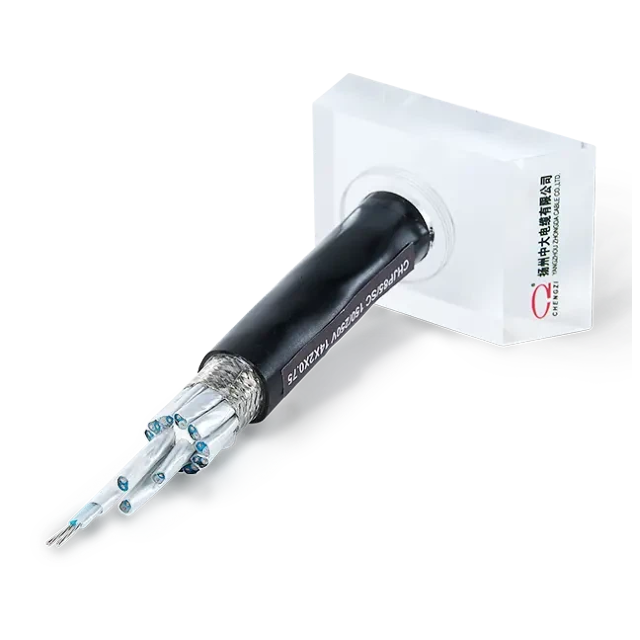
Marine cables serve a wide range of applications in the marine industry. One of the primary uses is for power distribution aboard boats and ships. Marine vessels rely heavily on electricity for their operations, and having a reliable power distribution system is essential. Marine cables ensure that power is transmitted efficiently from the generator to various systems, including lighting, HVAC, and propulsion systems.
Marine cables are designed to handle high levels of power without loss of efficiency, making them the ideal choice for vessels and offshore platforms. These cables help to ensure that essential systems such as engine control, power distribution, and safety equipment continue to function reliably, even in the most challenging environments.
Control and instrumentation systems also rely on marine cables for the seamless transmission of signals and data. These systems monitor critical functions such as engine performance, navigation, and safety. The robust and secure transmission provided by marine cables ensures that these systems operate without interruption, even in extreme environmental conditions.
Furthermore, marine cables play a crucial role in ensuring reliable communication on vessels and offshore platforms. Navigation and communication systems require the use of high-quality cables to ensure that messages and data are transmitted clearly and without interference. Whether for weather updates, distress signals, or general communication between the vessel and shore, marine cables are integral to ensuring that information is reliably passed.
The versatility of marine cables makes them suitable for a wide range of applications, from powering essential equipment to ensuring that communication systems function efficiently. This makes them a crucial element for safe and reliable operations in the marine industry.
The marine industry is subject to strict regulations to ensure safety and reliability. As such, marine cables are built to meet industry standards like IEC (International Electrotechnical Commission), ABYC (American Boat and Yacht Council), and UL (Underwriters Laboratories). These standards ensure that marine cables are safe for use in potentially hazardous environments, including boats, ships, and offshore platforms.
Compliance with these standards ensures that marine cables maintain high levels of performance and safety. For example, the IEC standard ensures that the cable’s insulation is adequate for the environment, while UL certification ensures that the cables are fire-resistant. These certifications are vital for marine operations, as they guarantee that the cables will perform reliably under challenging conditions.
When you choose marine cables from a reputable supplier like ZHONGDA CABLE, you can be assured that the products meet all relevant safety standards and provide reliable performance throughout their lifespan. Adhering to these standards reduces the risk of electrical failures and ensures that the systems onboard operate smoothly and safely.
Marine cable standards are critical to ensuring that the products are not only reliable but also safe for use in life-critical marine environments. Whether you are installing new systems or upgrading existing ones, choosing cables that meet the necessary standards is essential for protecting the vessel and crew.
One of the most critical aspects of marine cables is the protective covering that shields the inner wires from the environment. The covering materials used in marine cables, such as PVC, XLPE (cross-linked polyethylene), and armored cables, are specifically designed to provide additional protection against physical damage, corrosion, and environmental exposure.
PVC is a common protective material for marine cables, providing both flexibility and resistance to environmental factors. XLPE is often used for cables that need to withstand higher temperatures and more aggressive conditions. Armored cables, which feature a metal protective layer, offer an additional level of protection for cables used in areas where physical damage is more likely.
The importance of these protective layers cannot be overstated. Without proper protection, marine cables would be susceptible to damage from seawater, mechanical wear, and UV exposure. This could lead to short circuits, fires, or other catastrophic failures. By using high-quality materials and protective covers, marine cables ensure that they can provide reliable performance over time, even in the most demanding marine environments.
These protective coverings contribute significantly to the long service life of marine cables, making them a smart investment for anyone looking to ensure the safety and reliability of their marine systems. The enhanced protection provided by these covers ensures that the cables can withstand the harshest conditions, reducing the need for frequent maintenance or replacements.
In conclusion, marine cables are vital components that ensure the safe and efficient operation of vessels and offshore platforms. Their unique features, including durability, flexibility, waterproof properties, and protective sheathing, make them ideal for use in the harsh marine environment. Choosing reliable marine cables from a trusted supplier like ZHONGDA CABLE ensures that you are getting a product that meets industry standards and provides long-lasting performance.
The role of marine cables in powering essential systems, facilitating communication, and ensuring overall safety cannot be overstated. Whether you're operating a small boat or managing a large offshore platform, using the right cables is critical for maintaining operational reliability and preventing costly failures. If you are looking to enhance the reliability and safety of your marine systems, contact us today to learn more about our range of marine cables. Our products are engineered to meet the highest standards of performance and durability, ensuring that your boat, ship, or offshore platform runs smoothly and safely.
Q1: What makes marine cables different from regular cables?
Marine cables are designed to withstand the harsh conditions of the marine environment. They are made with materials like tinned copper and feature specialized insulation that resists corrosion, moisture, and UV exposure, making them ideal for use in boats, ships, and offshore platforms.
Q2: Can I use regular electrical cables for marine applications?
No, regular electrical cables are not designed for use in marine environments. They lack the durability and protective features necessary to withstand saltwater, moisture, and other challenging conditions found at sea.
Q3: Why is a protective cover important for marine cables?
The protective cover is crucial for shielding marine cables from physical damage, corrosion, and environmental exposure. Materials like PVC, XLPE, and armored covers provide additional protection, ensuring that the cables perform reliably over time.
Q4: How do I ensure that the marine cables I choose meet industry standards?
To ensure the safety and reliability of marine cables, choose cables that comply with industry standards like IEC, ABYC, and UL. These certifications guarantee that the cables meet the necessary safety and performance requirements for marine applications.
 简体中文
简体中文 

