

Views: 0 Author: Site Editor Publish Time: 2026-10-14 Origin: Site


Modern ships are no longer just floating steel hulls. They function as massive, intelligent floating cities. They rely heavily on complex data networks to operate safely. Thousands of sensors continuously monitor everything from engine propulsion to cargo hold temperatures. However, the harsh marine environment presents severe operational challenges. Saltwater corrosion, extreme temperature fluctuations, and the relentless vibration of heavy machinery can easily destroy standard electrical components.
I have seen land-based wires fail within months under these severe conditions. Their plastic jackets crack. The copper cores corrode rapidly. This is precisely why specialized marine wiring is absolutely essential. Serving as the critical nervous system of the entire vessel, a high-quality Instrumentation Cable ensures that the central control room never operates blind. In this guide, we will explore exactly what these cables do, why they are vital for maritime safety, and how to select the right specifications for your vessel.
Critical Function: These cables transmit low-voltage analog and digital signals for monitoring, control, and alarm systems across a vessel.
Protection is Key: Due to the dense concentration of heavy machinery on ships, proper shielding is a non-negotiable requirement to prevent electromagnetic interference and data corruption.
Safety Standards: Authentic marine wiring must comply with strict international regulatory standards like IEC, DNV, or ABS. They must also feature Low Smoke Zero Halogen material properties.
Versatility: These specialized lines support a wide range of maritime operations. They handle everything from engine room diagnostics to complex network integrations.
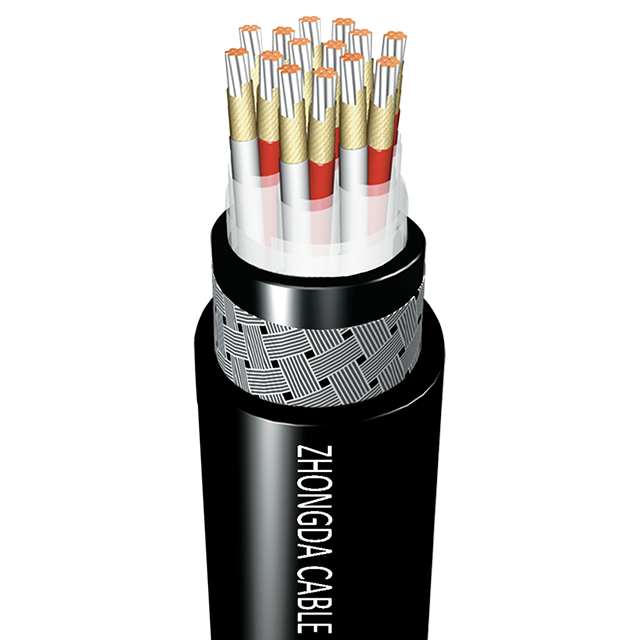
A marine instrumentation cable is a multi-conductor electrical component engineered specifically to carry low-energy signals rather than raw power. Operating at very low voltages—typically rated at 150/250V—and minimal currents, its primary design objective is to maintain signal integrity over long distances in harsh maritime environments. These cables are constructed with highly stranded copper conductors. This flexibility is crucial to withstand constant vessel vibration. Furthermore, they utilize specialized insulation materials like cross-linked polyethylene to resist moisture and extreme heat.
In the complex architecture of a modern vessel, a signal cable acts as the crucial messenger between remote sensors and the ship's centralized control computers. Sensors like exhaust thermometers, pressure gauges, and flow meters generate low-current signals. The wiring carries this precise data to the control room. This allows operators to monitor the ship's status in real-time. While heavy power cables prioritize high current capacity to drive massive pumps, instrumentation lines prioritize data accuracy. The failure of a power line might stop a single pump. In contrast, a degraded sensor connection could blind the crew to critical engine overheating.
The maritime industry is currently undergoing a massive technological transformation. We are seeing a rapid shift toward autonomous vessels and predictive maintenance models. Ship operators no longer want to guess when a pump might fail. They want real-time analytics to optimize fuel consumption and predict mechanical wear before a breakdown occurs.
This surge in marine Internet of Things integration demands a far more robust cabling infrastructure. Modern instrumentation wiring must now support hybrid analog-digital environments with zero latency. As sensor density increases on modern fleets, the demand for cables that offer superior high-frequency data transmission without degradation has skyrocketed. Engineers are now specifying cables with tighter impedance tolerances to ensure these complex, high-speed sensor networks operate flawlessly during long ocean voyages.
The operational safety and efficiency of a maritime vessel depend entirely on accurate data collection. These specialized cables are deployed across various critical zones on a ship to fulfill specific operational needs.
Engine Room Monitoring and Control
The engine room is the beating heart of any vessel. It is an environment characterized by extreme temperatures, oil mists, and severe mechanical stress. Here, wiring connects directly to the main propulsion systems. They transmit data from resistance temperature detectors, track fuel tank levels, and measure lubricating oil pressure. Because this zone is highly volatile, the connections used here must feature oil-resistant and heat-resistant jacketing. Accurate data allows marine engineers to schedule preventive maintenance, avoiding unexpected engine shutdowns.
Navigation and Communication Systems
Safe navigation relies on an interconnected web of advanced electronic systems. Instrumentation lines seamlessly link the bridge's control panels to external sensors like radar antennas, GPS receivers, and sonar depth sounders. In modern shipbuilding, integrating a Marine Communication Cable is vital to support internal radio networks and handle specific high-frequency data protocols. Proper wiring prevents collisions by maintaining reliable data flow even during severe storms.
Safety, Fire, and Alarm Systems
Perhaps the most critical application is within the vessel's safety infrastructure. These cables form the backbone of the ship's fire detection network. They connect hundreds of smoke and heat detectors back to the main fire alarm panel. Additionally, they monitor watertight doors, transmitting an instant alert if a door fails to seal. They are also integral to the general alarm systems. You simply cannot afford a false alarm or a missed signal during an emergency at sea.
Marine environments present unique electrical challenges. The confined space of a ship means that low-voltage data lines are often routed near high-voltage power lines and massive generators. This makes proper protection a strict technical necessity.
Modern vessels house massive diesel generators and variable frequency drives. During normal operation, this heavy equipment creates massive amounts of electromagnetic interference. This invisible electrical noise easily penetrates standard plastic jackets. To combat this, utilizing a Shielded Cable is absolutely vital. It incorporates metallic barriers—typically an aluminum polyester foil tape combined with a tinned copper braid—to intercept this interference and safely ground it. Without this protection, delicate 4-20mA signals will become corrupted.
When selecting protective configurations, engineers must choose between overall shielding and individual shielding. Overall shields wrap a single foil or braid around the entire bundle of conductors. This is ideal for general sensor monitoring. In contrast, individually shielded pairs wrap each specific pair of wires in its own foil shield. This crucial design prevents crosstalk between adjacent wires. It is heavily utilized for highly sensitive analog signals and precision engine diagnostics.
Many procurement teams make the mistake of buying standard industrial wire to save costs. This always leads to premature failure. Below is a practical breakdown of why marine-grade construction is fundamentally different.
Technical Feature | Standard Industrial Cable | Marine Instrumentation Cable |
|---|---|---|
Conductor Design | Solid or stiff stranded copper | Highly flexible tinned stranded copper |
Insulation Material | Standard PVC | Cross-linked polyethylene for thermal stability |
Outer Jacket | Basic PVC | Low Smoke Zero Halogen, SHF1, or mud-resistant SHF2 |
EMI Protection | Minimal or basic foil wrap | Individual and overall tinned copper braid |
Certifications | Local building codes | ABS, DNV, LR, IEC 60092-376 compliance |
Shipboard infrastructure is heavily regulated. Procurement officers cannot simply utilize uncertified industrial wiring. Strict compliance is required by international maritime law.
A marine cable must be tested and type-approved by recognized international classification societies. Prominent bodies include the American Bureau of Shipping, Det Norske Veritas, and Lloyd's Register. Products bearing these certifications have undergone rigorous independent testing. They are tested for flexibility, material composition, and extreme environmental resistance.
The International Electrotechnical Commission sets the baseline technical standards under IEC 60092. Within this standard, strict material requirements dictate the mandatory use of Low Smoke Zero Halogen jacketing. Standard plastics release thick, blinding black smoke and highly toxic gases when burned. Halogen-free jackets prevent these deadly fumes. This ensures better visibility for crew evacuation and prevents corrosive damage to expensive electronic bridge equipment.
Selecting the correct wiring requires a systematic evaluation of the vessel's specific operational profile. As a marine engineer, I always advise looking at three practical parameters to avoid costly installation mistakes.
1. Assess the Environmental Hazards
The physical environment dictates the outer sheath material. For standard indoor shipboard routing, specify an SHF1 halogen-free jacket. However, engine room installations demand oil-resistant SHF2 jackets to prevent rapid degradation from synthetic lubricants. For offshore drilling rigs, the wiring must meet NEK 606 standards for mud resistance. This ensures it survives exposure to harsh drilling chemicals.
2. Specify Voltage Ratings and Conductor Sizes
Marine control systems typically operate on a 150/250V rating. You must choose the core configuration based on the sensor type. Twisted pairs are standard for basic sensor data. Triads are required for 3-wire temperature sensors to compensate for line resistance. The conductor size—usually ranging from 0.75 mm² to 1.5 mm²—must be calculated based on the length of the run. Thicker conductors prevent voltage drop over very long shipboard distances.
3. Demand Flexibility for Installation
Shipboard installations inherently require routing through narrow bulkheads and congested trays. Solid copper conductors are practically useless due to their rigidity. Always specify stranded tinned copper conductors. They provide the necessary flexibility, making them much easier to pull. This significantly reduces installation time and offers superior resistance to metal fatigue caused by continuous hull vibration.
Instrumentation cables function as the vital nervous system for marine safety, automated navigation, and overall operational efficiency. They transmit the critical low-voltage signals necessary to keep modern smart ships running smoothly in the harshest environments on earth. Cutting corners on a Signal Cable or using uncertified industrial wiring will inevitably lead to catastrophic system failures and dangerous accidents at sea.
Always prioritize proper EMI shielding, verified classification society certifications, and proven environmental durability. To ensure your maritime project meets all required global safety standards, explore the comprehensive range of certified Shipboard Cable solutions at ZD Cables. Their engineering team can help you source the exact specifications tailored for your vessel's unique operational demands.
No. Standard industrial cables are not suitable for marine vessels. Marine environments require wiring with specific global classification society approvals and special halogen-free jacketing. Standard industrial variants lack the necessary resistance to saltwater corrosion, oil exposure, and relentless engine vibration. Using them leads to rapid failure and severe fire hazards at sea.
Twisting the internal wires creates twisted pairs. This specific geometric design helps cancel out severe external electromagnetic interference from heavy ship generators and adjacent power lines. Furthermore, different pairs are twisted at varying rates to prevent internal crosstalk. This ensures the cable delivers highly accurate sensor data to the central control room.
LSZH stands for Low Smoke Zero Halogen. During a fire, standard plastics emit thick, blinding black smoke and highly toxic, corrosive gases. LSZH cables are specially engineered to emit minimal white smoke and absolutely zero toxic halogens. This property is strictly required for marine vessels because it protects the crew from fatal smoke inhalation and allows for safe evacuation.
When properly installed by certified marine electrical professionals, high-quality marine cables can easily last 20 to 30 years. However, this expected lifespan can be significantly reduced by continuous mechanical abrasion, chemical spills, or extreme UV radiation. Regular insulation testing helps detect invisible breakdowns, allowing crews to replace degrading wires before they cause unexpected downtime.
Marine power cables are built with large cross-sectional conductors to carry high voltages and heavy currents to drive motors, thrusters, and lighting systems. Instrumentation cables are built with smaller conductors designed exclusively to carry low-voltage, low-current data signals. They prioritize shielding against electrical noise rather than raw power delivery.
Bare copper oxidizes and corrodes very quickly when exposed to the high humidity and salty air of a marine environment. Tinned copper conductors are coated with a thin layer of tin that acts as a sacrificial barrier. This prevents corrosion, maintains excellent electrical conductivity, and makes the wires much easier to solder during installation.
 简体中文


