

Views: 0 Author: Site Editor Publish Time: 2025-12-25 Origin: Site


The importance of marine cables cannot be overstated when it comes to ensuring the smooth operation of onboard power systems. Whether you are powering up a small boat or managing a large offshore platform, the reliability of your battery cables plays a critical role in maintaining consistent power, safety, and functionality. These specialized cables are designed to endure the challenging conditions of marine environments, ensuring safe power distribution and minimizing the risk of electrical failures that could lead to costly downtime or worse, safety hazards.
In this guide, we will explore everything you need to know about marine grade battery cables, from their construction and applications to the necessary installation practices and tips. Understanding these cables and their components is essential for maintaining the reliability and safety of electrical systems at sea.
Marine grade battery cables are specifically designed to handle the high demands of marine environments. Unlike standard automotive or general-purpose battery cables, marine grade battery cables are built to withstand harsh conditions such as saltwater exposure, high humidity, extreme temperatures, and mechanical stress, which are all typical in marine settings.
The key difference between marine battery cables and regular automotive or general-purpose battery cables lies in their construction materials and the level of protection they offer against the marine environment. Regular battery cables are typically made with bare copper conductors and insulation designed for use in controlled, dry environments. In contrast, marine grade battery cables use tinned copper conductors to prevent corrosion, which is a significant risk in salty, moist marine environments. The insulation is also designed to be much thicker and more robust, offering protection against abrasion, UV radiation, and seawater.
Marine grade battery cables are made with high-quality, corrosion-resistant materials such as tinned copper, which enhances the cable's durability and lifespan. The tinned copper strands offer superior resistance to the corrosion effects of saltwater, which can rapidly degrade regular copper. Furthermore, the cables are insulated with heavy-duty materials, like PVC or cross-linked polyethylene (XLPE), that not only prevent water ingress but also resist mechanical damage and UV degradation.
The flexibility of marine grade battery cables is also a critical feature. They are engineered to be highly flexible, making installation easier in tight or challenging spaces on boats, yachts, and offshore platforms. This flexibility ensures that the cables can be routed through intricate systems without breaking or losing their insulating properties.
Marine grade battery cables serve various essential functions in marine power systems, from powering engines and lighting to supporting complex auxiliary systems. The specific application of these cables depends on the vessel or platform’s electrical system needs.
One of the most common uses of marine battery cables is for starting the engine and providing power to the vessel's essential systems. These cables are designed to carry high currents required to start engines, and they must withstand the continuous charge and discharge cycles from the battery to the engine. Marine battery cables ensure that the engine remains reliably powered, even in extreme marine conditions.
In addition to engine start-up, marine battery cables are also used for power distribution, connecting the battery to electrical systems like lighting, navigation, and HVAC. The cables ensure that power is transmitted efficiently across the vessel, even when the boat or platform is exposed to saltwater, moisture, and other challenging conditions.
Another critical application of marine battery cables is in the integration with generators and auxiliary power systems. Offshore platforms, yachts, and larger ships often rely on both primary and backup power sources to maintain operations. Marine battery cables are used to link these auxiliary power systems, ensuring that the batteries remain charged and operational.
The cables must be capable of carrying substantial current between the generator and the battery bank, and they need to be reliable even in rough conditions. Using high-quality marine battery cables for this purpose guarantees that the system operates efficiently, minimizing the chances of system failure.
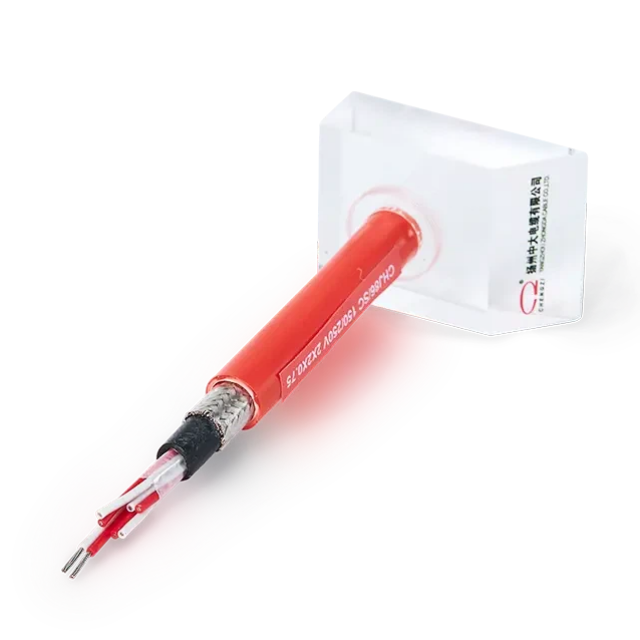
Proper connectivity is vital when it comes to ensuring the effectiveness of marine battery cables. This section explores the role of terminals, lugs, and connectors in marine grade battery cables and why quality cable ends matter.
The cable ends are the critical points where marine battery cables connect to various electrical components, including the battery, generator, and distribution panels. The terminals and lugs that are used at these connection points must be of the highest quality to ensure reliable conductivity and prevent the buildup of corrosion over time.
Quality marine battery cable ends are made from corrosion-resistant metals, such as tinned copper or bronze, and are designed to provide a secure and low-resistance connection. This is essential to prevent voltage drops and ensure optimal power transmission.
Low-quality terminals and connectors can lead to poor conductivity, which can result in voltage loss, overheating, and even potential fire hazards. Furthermore, improper connectivity can increase the risk of corrosion, particularly in saltwater environments. Marine battery cable ends that are designed for marine use will feature superior conductivity and will be resistant to corrosion, ensuring that the electrical system operates safely and efficiently.
Selecting the right cable size and ampacity is crucial when installing marine grade battery cables. The correct gauge ensures that the cable can carry the required current without overheating or causing voltage drops.
The gauge of the marine battery cable directly impacts its performance. A cable that is too small for the intended current will overheat, potentially leading to insulation damage or failure. On the other hand, cables that are too large may be more expensive and harder to install but will carry the current efficiently and have a longer lifespan.
The proper cable gauge is determined by the distance the cable needs to run and the amount of current it needs to carry. Too small a gauge will result in resistance and power loss, while too large a gauge will increase cost and bulk without providing any added benefit.
Standard marine battery cable gauges vary depending on the specific needs of the vessel or platform. For smaller vessels, 8 AWG or 10 AWG cables may be sufficient, while larger vessels may require 4 AWG or even 2 AWG cables. It is always essential to refer to marine industry guidelines and ensure that the cable size matches the amperage requirements of the electrical system.
Proper installation of marine battery cables is key to ensuring optimal performance and longevity. The following installation tips will help you get the best results from your marine grade battery cables.
When routing marine battery cables, it’s important to avoid sharp edges or areas where the cable could experience friction or chafing. Secure the cables with cable ties or clips to prevent movement that could cause damage over time. Additionally, the cables should be routed away from areas where saltwater or moisture could penetrate, which could lead to corrosion or short circuits.
Use cable covers and seals to further protect marine cables from water ingress. These protective measures are essential for ensuring that the cables maintain their integrity and perform reliably in harsh marine conditions.
In conclusion, marine grade battery cables are crucial for ensuring the reliability and safety of power systems on boats, ships, and offshore platforms. These specialized cables are designed to withstand the challenges posed by the marine environment, including exposure to saltwater, moisture, and physical stress. Properly selected and installed marine battery cables ensure efficient power transmission and minimize the risk of electrical failures, providing a long-term return on investment.
At ZHONGDA CABLE, we provide marine grade battery cables that are engineered for superior durability, flexibility, and corrosion resistance. Our cables are designed to meet the high demands of marine environments and ensure the continuous performance of onboard power systems.
For more information on our marine battery cables or to place an order, contact us today.
Q1: What makes marine battery cables different from regular battery cables?
Marine battery cables are specifically designed to withstand the harsh marine environment. They feature tinned copper conductors, enhanced insulation, and are built to resist corrosion, moisture, and UV exposure, making them ideal for use in boats, ships, and offshore platforms.
Q2: Why do I need to use marine grade battery cables on my boat or offshore platform?
Marine grade battery cables are necessary because they are built to handle the unique challenges of the marine environment. Regular battery cables cannot withstand the corrosion, UV exposure, and mechanical stress that marine cables are designed to handle.
Q3: How do I choose the right marine battery cable size for my application?
The correct marine battery cable size depends on the current requirements of your system and the distance the cable needs to run. It's important to choose the appropriate gauge to prevent overheating and ensure efficient power transmission.
Q4: What are the best practices for installing marine battery cables?
To ensure optimal performance, always route the cables away from areas of friction or sharp edges, secure them to prevent movement, and protect them from saltwater penetration with cable covers and seals.
 简体中文
简体中文 

