

Views: 0 Author: Site Editor Publish Time: 2026-10-27 Origin: Site


The marine repair industry operates in a high-stakes, clock-driven environment where precision scheduling dictates profitability. In modern shipyards, time translates directly into operational costs. A single delayed material delivery stalls an entire dry dock project. Operators bleed tens of thousands of dollars for every day a vessel remains idle. Sourcing high-quality electrical components is a crucial phase of project management. Yet, procurement officers frequently battle unpredictable shipping schedules and extended wait times.
This raises a critical operational question: Exactly how fast can a reliable supplier deliver your order? This comprehensive guide breaks down standard timelines, examines the hidden logistical factors impacting shipping speed, and provides actionable tips for securing faster shipments. By understanding the intricacies of the supply chain, buyers can confidently source premium Shipboard Wire and keep their critical construction schedules perfectly on track.
Standard vs. Custom: In-stock electrical components are often dispatched within 24 to 48 hours. Custom manufacturing requirements naturally push timelines back by several weeks.
Logistics Matter: Global shipping routes, regional customs clearance, and the physical handling of heavy spools heavily influence final delivery speeds.
Strategic Procurement: Partnering with a proactive supplier utilizing advanced inventory forecasting drastically reduces costly shipyard downtime.
Certifications Take Time: Quality assurance and mandatory marine certifications are permanently built into the production schedule. They remain absolutely non-negotiable for vessel safety.
Establishing an accurate baseline for delivery expectations requires a clear understanding of order classifications. The timeline from the moment a purchase order is signed to the day materials arrive at the shipyard varies significantly. It depends entirely on whether the products are pre-manufactured or engineered to specific project requirements.
For standard off-the-shelf items, a well-equipped supplier typically processes and dispatches an order within one to three business days. These in-stock items usually include common universally utilized power or control lines. For instance, standard 0.6/1kV rated power lines featuring cross-linked polyethylene insulation require no additional modifications. Because the inventory already sits in a warehouse, the only hurdle involves cutting the wire to length and arranging freight.
Conversely, custom-engineered Marine Cable introduces a completely different timeline. Naval projects sometimes require specialized elastomeric jacketing for extreme temperatures ranging from -40°C to 90°C. Other applications demand unique electromagnetic shielding for variable frequency drives or non-standard core counts. In these scenarios, the product must be manufactured from scratch. Depending on current factory capacity and the complexity of the extrusion process, custom orders generally require four to eight weeks before leaving the facility.
Beyond manufacturing, geographical location plays a pivotal role in determining the final delivery speed. Domestic suppliers operating within the same region as the shipyard leverage localized freight networks. They frequently offer next-day or two-day delivery for urgent needs.
In contrast, international procurement introduces transit variables. Air freight moves materials across the globe in a matter of days but remains highly cost-prohibitive for heavy industrial materials. Sea freight continues to be the standard for international bulk orders. This method adds anywhere from 15 to 45 days to the schedule. This duration fluctuates heavily based on port congestion, oceanic routes, and mandatory customs clearance procedures at the border.
Understanding the backend processes of industrial manufacturing helps procurement teams anticipate potential bottlenecks. Several physical and administrative factors dictate exactly how fast an order moves from the factory floor to the installation crew.
The physical preparation of marine electrical lines is a heavy-duty industrial process. Once manufactured, the wire must be accurately measured, cut, and carefully spooled. Packaging heavy industrial lines onto a wooden or steel Cable Drum is not a rapid task. It requires specialized mechanical spooling equipment. The wire must be wrapped with the correct tension to prevent internal damage to the copper cores. Furthermore, loading these massive units onto transport vehicles demands heavy-lifting equipment like overhead cranes. This necessary processing time adds directly to the dispatch phase.
Safety in the maritime industry is regulated by strict international standards. Electrical systems must endure incredibly harsh environments. They require rigorous testing for flame retardancy, moisture resistance, and mechanical durability. Extruding insulation for extreme temperature gradients takes exact calibration. You cannot rush the cross-linking process. Securing mandatory class approvals from organizations like the American Bureau of Shipping or Det Norske Veritas involves batch testing and meticulous documentation. Testing against IEC 60332 flame retardant standards adds days to the production schedule. However, it is a non-negotiable step to ensure the integrity of the vessel.
Every manufacturer is ultimately tethered to the broader global supply chain. The primary components of marine wire including high-grade copper, tinned conductors, and specialized polymers are highly susceptible to market fluctuations.
Recent market analyses tracking maritime supply chains highlight a critical shift in how delivery speeds are maintained. Industry data reveals a massive movement toward localized safety stock and digitized inventory tracking. Procurement teams are actively moving away from risky just-in-time overseas shipping. Global copper price volatility and congested freight lanes have forced top-tier manufacturers to buffer their raw material reserves. Suppliers adapting to this nearshoring trend currently outperform competitors in fulfillment speed.
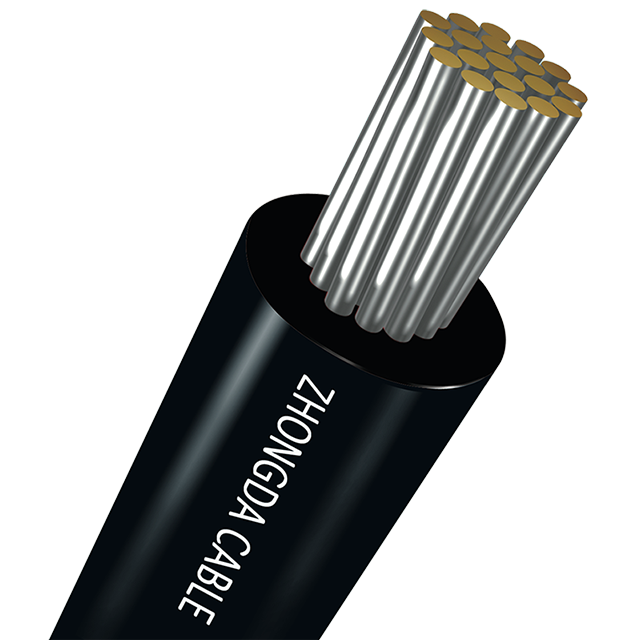
For procurement officers, delivery speed serves as more than just a metric of convenience. It links directly to the financial bottom line and overall viability of the entire marine project.
The financial consequences of a stalled Shipbuilding project are severe. Dry dock space is rented by the day. Specialized labor forces require continuous workflow to remain cost-effective. Picture a scenario where structural welders finish their phase early. The electrical installation crew stands idle because the required wiring is stuck at a port. Labor costs continue to accrue without any forward progress. Fast and reliable delivery ensures labor forces remain active, dry dock schedules are strictly adhered to, and budget overruns are completely avoided.
Modern vessel construction relies on highly sequenced project management methodologies. Structural builds, mechanical installations, and electrical routing must happen in a precisely orchestrated order. Predictable delivery schedules allow project managers to coordinate these installations flawlessly. When a supplier provides accurate tracking and guaranteed delivery windows, engineers confidently schedule subsequent testing and commissioning phases.
The difference between an average distributor and a top-tier industry leader lies in their proactive approach to supply chain management. Leading suppliers implement specific strategies to insulate clients from global delays.
To circumvent logistical hurdles, top suppliers refuse to wait for an order to begin the manufacturing process. Instead, they maintain robust strategically managed inventories of common wire gauges, control cables, and communication lines. By utilizing advanced data analytics to forecast industry demand, these suppliers hold vast quantities of pre-certified stock. This bypasses the manufacturing wait time entirely. A multi-week wait transforms into a seamless 48-hour dispatch.
Navigating international freight requires deep logistical expertise. Industry leaders establish long-term contracts with reliable freight forwarders. They maintain multiple distribution hubs near major global ports. This network optimization routes shipments through the most efficient channels. It expedites customs clearance through pre-approved documentation and seamlessly transitions heavy freight from sea vessels to local flatbed transport.
While suppliers carry the burden of fulfillment, procurement officers and marine engineers take proactive steps to accelerate their own supply chains. Collaborative planning is the most effective way to guarantee timely deliveries.
Communication acts as the ultimate catalyst for faster shipping. Buyers must share their long-term project roadmaps with their supplier as early as possible. Even if exact lengths and final blueprints remain unconfirmed, providing a general scope allows the supplier to allocate raw materials. Early transparency ensures the supplier is fully prepared to execute the moment the final purchase order is submitted.
Customization inherently breeds delay. Whenever engineering constraints allow, buyers should opt for standardized multi-purpose designs rather than highly niche custom builds. Standardized cables are manufactured in massive continuous runs and are almost always kept in stock. By simplifying specifications across a fleet, procurement teams drastically reduce their overall Delivery Lead Time while simultaneously benefiting from bulk-purchasing economies of scale.
Specification Type | Typical Application | Extrusion Requirement | Average Lead Time |
|---|---|---|---|
Standard 0.6/1kV Power Line | General lighting, main power distribution | Pre-manufactured, in-stock | 1 to 3 Days |
Standard 150/250V Control Wire | Bridge communication, instrumentation | Pre-manufactured, in-stock | 1 to 3 Days |
Custom VFD Shielded Cable | Heavy propulsion motors, thrusters | Custom copper braiding required | 4 to 6 Weeks |
Extreme Temp Elastomeric Jacketing | Arctic vessel deck exposure | Specialized polymer cross-linking | 6 to 8 Weeks |
Selecting the right supply partner impacts the entire lifecycle of a vessel build. Never assume a product listed on a website is immediately available for dispatch. Ask targeted questions regarding current stock levels at their specific facility. Furthermore, past performance is the strongest indicator of future reliability. A reputable supplier eagerly demonstrates their logistical competence through On-Time In-Full delivery metrics and proven case studies under pressure.
The speed at which your materials arrive depends heavily on whether your required specifications are custom-engineered or readily available in-stock. However, choosing a well-connected high-capacity supplier serves as the defining factor in minimizing your overall wait times. By understanding manufacturing constraints, global logistics, and certification requirements, buyers make informed and highly strategic procurement decisions.
Speed is vital to keeping projects under budget. Yet it must never come at the expense of marine-grade quality and mandatory safety certifications. If your shipyard requires reliable fast-tracked deliveries of premium marine electrical components, visit https://www.zdcables.com today. Explore our fully certified inventory, request a detailed quote, and let our engineering team match the exact product parameters to keep your vessel construction operating flawlessly.
Typically, the timeline for custom orders ranges from four to eight weeks. This duration depends heavily on the complexity of the internal design, the current availability of specialized raw materials like high-purity copper, and the time required to complete mandatory marine testing before dispatch.
Yes. Oversized or excessively heavy drums require specialized flatbed transport and heavy-lifting equipment at both the departure port and the receiving shipyard. Coordinating this industrial equipment requires extra logistical planning and special road permits. This often results in slightly longer transit times compared to standard palletized freight.
Most top-tier suppliers offer emergency services equivalent to Aircraft on Ground protocols tailored specifically for the marine industry. By utilizing dedicated air freight and priority warehouse processing, they often deliver critical in-stock wiring to global ports within 24 to 72 hours. This prevents extended and costly vessel groundings.
Electrical components destined for maritime environments must undergo rigorous standardized batch testing to meet stringent international safety standards. Tests ensuring flame retardancy, moisture resistance, and halogen-free properties are vital quality assurance processes. These procedures cannot be rushed because they guarantee ultimate safety at sea.
Minimum order quantities directly dictate whether a supplier pulls from existing inventory or initiates a new factory run. Small quantities of standard gauges are cut and shipped immediately. However, if your order falls below the threshold for a highly specialized custom extrusion, the manufacturer must wait to bundle your request with other orders, significantly extending the lead time.
Yes. Modern top-tier suppliers utilize integrated digital logistics platforms. Once your heavy freight leaves the manufacturing facility, procurement teams receive portal access to track oceanic coordinates, customs clearance status, and final mile flatbed delivery windows in real-time.
 简体中文


