

Views: 0 Author: Site Editor Publish Time: 2026-10-14 Origin: Site


Saltwater spray, relentless engine vibrations, and heavy mechanical stress easily destroy unprotected ship electronics. In these unforgiving environments, standard commercial wiring fails miserably at protecting sensitive data signals. This vulnerability leads directly to dangerous communication breakdowns at sea. Captains and engineers are often left grappling with unresponsive dynamic positioning systems or erratic throttle controls.
Can a manufacturer customize shielding to fix this specific issue? Yes, a specialized engineering partner certainly can. In this comprehensive technical guide, you will learn how naval architects design a tailored Marine Control Cable to combat exact environmental and electrical challenges. We will explore how to ensure flawless operation when it matters most.
Customization is Essential: A reputable manufacturer can fully tailor shielding materials and structural configurations to combat specific electromagnetic interference challenges in maritime environments.
Variety of Shielding Options: Engineers utilize multiple techniques including aluminum foil, tinned copper braid, and isolated shielding for multi-core assemblies to ensure optimal signal integrity.
Shielded vs. Unshielded: While unshielded wires have niche uses in low-risk areas, shielded variants are strictly required for critical infrastructure to prevent dangerous signal disruption.
Choosing the Right Partner: Selecting a reliable vendor requires evaluating their engineering capabilities, adherence to military-grade standards, and their ability to execute the design flawlessly.
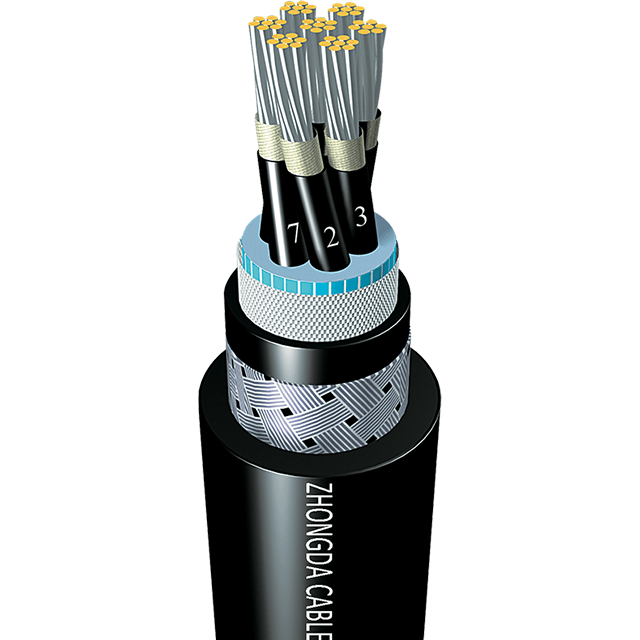
Maritime environments are notoriously hostile to electrical infrastructure. Cables routed through commercial freighters, luxury yachts, and offshore platforms face brutal exposure. Moisture, salt fog, lubricating oils, and intense ultraviolet radiation constantly attack the outer jackets. Furthermore, the mechanical stress derived from continuous diesel engine vibration places immense physical strain on routing systems. Physical degradation, however, is merely one part of the complex engineering equation.
Electromagnetic interference and radio frequency interference represent invisible yet critical threats to vessel operations. Modern ships are highly computerized. They rely on dense networks of sensitive electronics tightly packed into cramped bulkheads. High-powered radar systems, VHF radios, heavy propulsion engines, and high-voltage power lines generate substantial electromagnetic noise.
Recent maritime engineering trend analyses highlight a sharp, alarming rise in vessel-wide electromagnetic noise. As global fleets rapidly transition toward high-voltage hybrid propulsion systems and automated navigation networks, the ambient interference on board has increased exponentially. Industry consensus indicates that standard wiring architectures are now obsolete for modern ship designs. When an unshielded line passes near high-powered radar or heavy variable frequency drives, ambient noise couples onto the internal conductors and distorts transmitted data.
Generic cables belong in controlled indoor environments. Basic PVC jackets and minimal protective layers rapidly degrade under marine stressors. Utilizing standard wiring for electronic throttle linkages or automated steering columns drastically increases the risk of signal corruption. A distorted signal in a dynamic positioning system is not a minor maintenance inconvenience. It represents a severe safety hazard that triggers a complete loss of vessel control during critical docking maneuvers.
When addressing complex electrical challenges, top-tier manufacturers act as active engineering partners. They do not simply sell pre-made spools from a warehouse shelf. Designing a highly specialized Custom Cable involves altering multiple structural variables to meet precise demands. Engineers modify the outer jacket utilizing cross-linked flame-retardant polyolefin for enhanced chemical resistance against hydraulic fluids. Most importantly, they engineer the shielding layer to block exact frequency ranges of ambient interference.
The engineering process behind bespoke shielding relies on empirical calculations rather than guesswork. Suppliers determine the exact percentage of shield coverage required based on interference levels recorded on the vessel. For instance, a basic engine room application might require an 85 percent tinned copper braid coverage to absorb low-frequency hums. Conversely, highly sensitive communication arrays demand 95 percent coverage combined with a secondary aluminum foil layer.
Manufacturers also routinely customize drain wires. Uninsulated conductive strands laid inside the shield ensure proper electrical grounding. This directs intercepted interference safely into the vessel grounding plane and away from delicate control processors.
A competent manufacturing partner offers a diverse portfolio of shielding materials. Aluminum Mylar foil, woven tinned copper braid, and flexible spiral shields all serve specific operational purposes. Selection depends entirely on the interference profile and the required physical flexibility for routing through tight bulkheads.
An overall shield wraps all inner conductors and wire pairs together beneath a robust outer jacket. This configuration provides a foundational layer of protection against external noise attempting to penetrate the assembly. It remains the standard approach for general-purpose marine wiring where internal crosstalk between wires is negligible.
In complex marine control systems, signals frequently interfere with each other within the exact same housing. An Individual Shield isolates specific pairs or triads of wires inside the main jacket. Wrapping each data pair in its own protective layer actively prevents internal crosstalk. Voltage from one wire bleeding into an adjacent wire is disastrous. Isolated shielding is absolutely crucial for multi-core hybrid assemblies transmitting sensitive digital navigation data alongside high-voltage analog control signals.
Shielding Type | Primary Material | Best For | Engineering Pros & Cons |
|---|---|---|---|
Foil Shield | Aluminum Mylar | High-frequency noise blocking | Provides 100 percent surface coverage. Highly fragile under continuous flexing. |
Braid Shield | Tinned Copper | Low-frequency noise, high vibration areas | Exceptional physical strength and flex life. Leaves tiny gaps in coverage. |
Combination | Foil and Copper Braid | Military-grade telemetry, critical navigation | Maximum broadband interference protection. Heavier and more expensive to manufacture. |
Selecting between shielded and unshielded configurations is a foundational decision. Industry best practices dictate that the choice must align perfectly with the specific electrical environment of the vessel.
Unshielded lines certainly have their place in maritime engineering. They are lighter, highly flexible, and generally more cost-effective. These variants are appropriate for low-risk applications where ambient noise is negligible. Basic cabin lighting circuits, simple power distribution to galley appliances, or internal passenger speaker wiring are typical examples.
For critical infrastructure, deploying a Shielded Cable is strictly mandatory. Throttle linkages, engine telemetry sensors, and automated steering systems rely on incredibly precise voltage signals. Routing an unshielded line near a high-output alternator artificially alters the control voltage. In live marine operations, a delayed or misinterpreted signal results in engine stalling or incorrect steering inputs.
Relying on off-the-shelf products often leads to recurring maintenance nightmares. Recognizing the operational symptoms of inadequate wiring is the initial step toward implementing a robust engineered solution.
Frequent Signal Drops: If onboard electronics experience unexplained errors or screens flicker when the bow thruster engages, standard wires are failing to block ambient noise.
Unique Routing Constraints: Custom vessels feature incredibly tight and unconventional spaces. Standard lines kink or fracture when forced into sharp bend radii. This requires specialized braided shielding designed specifically for high-flex applications.
Extreme Temperature Variations: Operating in environments that swing from freezing offshore winds to the intense radiating heat of an enclosed diesel engine room necessitates custom jacket materials and specialized thermal shielding.
Regulatory Compliance Failures: Failing marine inspections from strict classification societies like ABS or DNV due to inadequate interference protection is a glaring indicator that bespoke engineering is required.
Multi-Function Requirements: Space-efficient hybrid designs are becoming the norm. Needing to combine heavy power lines, ethernet data, and analog control lines into a single jacket requires isolated shielding for each data pair to prevent crosstalk.
Evaluating a manufacturing partner is a critical procurement decision directly impacting vessel safety. A reliable vendor must demonstrate verifiable technical competence, transparent sourcing, and strict quality control protocols.
A premier supplier does not simply take an order and start extruding plastic. They engineer a verifiable solution. Look for manufacturers providing comprehensive CAD designs, electrical performance modeling, and physical prototypes. Testing a prototype in a simulated marine environment before full-scale production ensures the shielding performs exactly as calculated.
Physical materials dictate the lifespan of the assembly. Ensure the supplier uses high-purity tinned copper for both internal conductors and braided shields. Bare copper oxidizes rapidly when exposed to salt-heavy air, leading to increased electrical resistance and eventual signal failure. Furthermore, the supplier must source high-grade marine-rated cross-linked polymers for the outer jacket. These materials withstand continuous exposure to oil, fuel, and ultraviolet degradation while maintaining an operational temperature rating up to 90 degrees Celsius.
Transitioning from standard wiring to an engineered solution requires a highly structured approach. Ordering a specialized product is a collaborative engineering process based on empirical data and precise environmental assessments.
The very FiRst priority in the procurement process should always be a comprehensive electrical audit of the vessel. Before discussing polymer types or braid density, engineers must map out the exact shielding needs based on the location of transmitters, engines, and power banks. Getting these parameters accurate initially prevents costly redesigns and dry-dock installation delays.
When initiating contact, provide a detailed technical checklist to eliminate guesswork. Specify the total required length and the necessary bend radius for installation through cramped bulkheads. Document the exact types of signals being transmitted such as 4-20mA analog versus digital ethernet. List all anticipated noise sources along the routing path. Detail the environmental exposure levels including expected temperature ranges and potential contact with corrosive hydraulic fluids. Providing this empirical data upfront ensures the supplier can engineer the optimal shielded assembly.
Once the initial data is submitted, a reliable manufacturer produces a short run of the newly designed cable. This prototype undergoes rigorous laboratory testing. Engineers place the assembly in an anechoic chamber to measure electromagnetic compatibility. They subject it to thousands of bending cycles to test mechanical endurance and expose it to concentrated salt spray to verify corrosion resistance. Only after passing these stringent tests does full-scale production begin.
Customizing shielding is empirically critical for the safety and functionality of modern marine vessels. Whether an application requires an overall tinned copper braid to survive engine room vibrations or a complex isolated shield to protect sensitive navigation data, the right manufacturing partner possesses the capabilities to execute the design flawlessly. Investing in a high-quality, purpose-built wiring solution upfront prevents costly operational downtime. It drastically reduces long-term maintenance and eliminates dangerous system failures at sea.
Ready to upgrade your vessel control systems with uncompromising reliability? Evaluate your specific environmental challenges and explore verified technical solutions from a trusted engineering partner. Visit ZD Cables to discover marine-grade wiring configurations built explicitly for the harshest offshore environments.
Yes. A specialized manufacturer can reverse-engineer an existing blueprint and modify the production process. They seamlessly integrate foil, copper braid, or isolated shielding to meet new interference requirements without compromising the original functionality or size constraints.
Foil provides complete surface coverage and is highly effective against high-frequency interference, though it lacks physical durability and tears under stress. A braided tinned copper shield provides immense physical strength, flexibility, and protects against low-frequency interference. Custom assemblies frequently utilize a combination of both for comprehensive protection.
While the initial engineering and manufacturing cost of a custom solution is typically higher, it represents a highly cost-effective investment over the vessel lifespan. It actively prevents expensive system failures, significantly reduces diagnostic labor, and ensures strict regulatory compliance. This ultimately lowers the total cost of ownership.
Timelines vary based on supplier capacity, material availability, and design complexity. By providing accurate data during the initial consultation, the prototyping and production phases typically range from four to ten weeks.
Customized maritime wiring must adhere to rigorous international safety standards. Leading classification societies like ABS, DNV, and Lloyd's Register require cables to pass strict flame retardance, low smoke zero halogen, and precise electrical continuity tests. Verifying these certifications ensures your custom shielding will survive harsh offshore conditions and pass vessel inspections.
Extreme heat in enclosed diesel engine rooms accelerates the degradation of standard cable jackets, which eventually exposes the internal shielding to corrosive elements. Custom solutions utilize cross-linked elastomers that maintain structural integrity and shielding effectiveness at continuous operating temperatures of 90 degrees Celsius, preventing thermal breakdown and signal loss.
 简体中文


