

Views: 0 Author: Site Editor Publish Time: 2025-12-24 Origin: Site


When it comes to the marine industry, using the right type of cable is crucial for ensuring the safety, reliability, and longevity of onboard systems. Whether you're operating a small boat or managing an offshore platform, choosing marine cables over regular cables makes a significant difference in performance and durability. While regular cables may work in more controlled environments, marine cables are specifically engineered to endure the extreme conditions of the marine environment, making them the ideal choice for vessels, ships, and offshore structures.
In this article, we will explore the fundamental differences between marine cables and regular cables, focusing on the materials, construction, environmental durability, performance, and cost. By understanding these distinctions, you’ll be better equipped to choose the right cable for your specific marine needs.
The construction of marine cables is designed to address the unique challenges of the marine environment. Unlike regular cables, which are suitable for dry, indoor applications, marine cables are constructed with materials that can withstand moisture, saltwater, UV exposure, and high temperatures.
One of the key differences between marine cables and regular cables lies in the materials used for the conductors. Marine cables often use tinned copper strands, which offer superior corrosion resistance compared to bare copper. Saltwater and high humidity levels commonly found in marine environments can cause bare copper to corrode quickly, leading to a loss in conductivity and potential system failures.
Tinned copper, on the other hand, is coated with a thin layer of tin, providing an additional layer of protection against corrosion. This makes marine cables far more durable and long-lasting when exposed to the elements. While regular cables may be sufficient for indoor use or in dry environments, they lack the corrosion-resistant properties needed for marine applications.
The insulation used in marine cables is also much thicker than that of regular cables. Marine-grade cables are equipped with enhanced insulation materials, such as PVC (polyvinyl chloride) or XLPE (cross-linked polyethylene), which offer better protection against the elements. The thicker insulation ensures that the cable remains functional even when exposed to water or extreme temperatures.
Moreover, marine cables often come with reinforced jackets or protective sheaths that provide further resistance against abrasion, mechanical stress, and physical damage. This added durability is essential for cables that are routed in tight or high-risk areas aboard boats, ships, and offshore platforms.
One of the primary reasons marine cables are chosen over regular cables is their superior ability to handle the harsh marine environment. Regular cables are designed for more controlled, dry environments, and they cannot withstand the same level of exposure to saltwater, UV rays, or moisture that marine cables can.
Saltwater is one of the most corrosive elements to electrical systems, and it can quickly deteriorate regular cables. Marine cables are specifically designed to resist saltwater corrosion, which helps maintain their integrity and performance in the long term. The waterproof and moisture-resistant features of marine cables ensure that they continue to perform reliably, even when submerged or exposed to constant splashing.
In addition to saltwater, marine cables are also designed to withstand UV radiation from the sun. The materials used in their construction, such as UV-resistant coatings, prevent the cables from becoming brittle and losing their insulating properties when exposed to sunlight. This is an important consideration for cables that are installed on the deck or exposed to the open air for extended periods.
Marine environments, especially offshore platforms and vessels, are subject to significant vibrations and mechanical stress. Marine cables are built to withstand these challenges without losing their flexibility or integrity. Regular cables, however, may not perform well under these conditions and are more prone to damage from movement, wear, or physical impact.
By incorporating stronger, more durable materials, marine cables are able to handle the stresses of constant movement and vibration. This is particularly important for cables used in critical systems like engines, propulsion, and power generation.
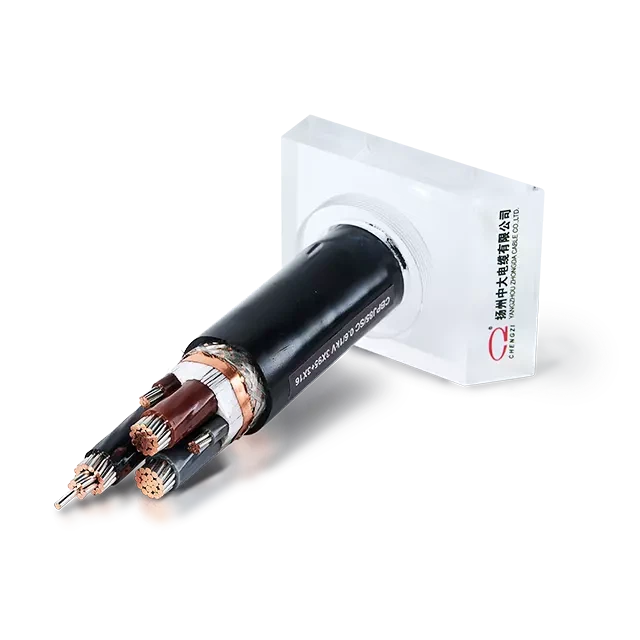
In marine settings, performance and safety are paramount. A cable failure can lead to disastrous consequences, particularly in emergency situations. Marine cables are specifically designed to meet stringent performance standards that ensure safe and reliable operations under extreme conditions.
Marine cables are built to be fire-resistant, which is an essential feature for cables used in confined or high-heat areas aboard ships or offshore platforms. The materials used in marine cables are engineered to resist ignition and prevent the spread of flames, ensuring that in the event of a fire, the cable will not exacerbate the problem.
Furthermore, marine cables must comply with various international standards and regulations, such as those set by the American Boat and Yacht Council (ABYC), the International Electrotechnical Commission (IEC), and Underwriters Laboratories (UL). These certifications ensure that marine cables meet safety requirements and perform reliably in a marine environment.
One of the most important features of marine cables is their ability to remain waterproof. Waterproof seals are used to protect the internal wires from exposure to moisture, preventing short circuits and other electrical failures. These seals are designed to keep water out, even when cables are submerged or exposed to heavy rain and splashing. The protective sheathing also prevents physical damage to the cables, ensuring that they continue to function effectively.
While marine cables are often more expensive than regular cables, their long-term value far outweighs the initial cost. The durability and reliability of marine cables make them a worthwhile investment for marine applications, as they are built to last for many years, even in harsh environments.
Choosing marine cables over regular cables may involve a higher upfront cost, but the long-term performance benefits are significant. Regular cables are more likely to fail over time, requiring costly replacements and repairs. In contrast, marine cables are designed to handle the demanding conditions of the marine environment, reducing the need for frequent maintenance and replacements.
By investing in marine cables, boat owners, offshore platform operators, and marine contractors can avoid the costs associated with electrical system failures and downtime. The added durability and performance of marine cables provide a higher return on investment over time, making them the more cost-effective choice in the long run.
A failure in the electrical system aboard a vessel or platform can lead to costly downtime and maintenance. By choosing marine cables, operators can reduce the risk of system failures, ensuring that critical operations continue without interruption. This helps save money by minimizing downtime and maintenance costs, which can be significant in the marine industry.
At ZHONGDA CABLE, we are committed to providing marine cables that meet the highest industry standards for performance, durability, and safety. Our cables are engineered to withstand the most demanding conditions, ensuring that they continue to perform reliably in marine environments.
Our marine cables are made with the highest quality materials, including tinned copper for superior corrosion resistance and reinforced jackets to provide added protection against physical damage. With both single-core and multi-core configurations, our cables are designed to meet the diverse needs of marine applications, from power distribution to communication systems.
By choosing ZHONGDA CABLE's marine cables, you are investing in long-lasting performance, reduced maintenance costs, and enhanced safety for your vessel or offshore platform.
When comparing marine cables to regular cables, it’s clear that the specialized construction, durability, and safety features of marine cables make them the ideal choice for any marine application. While regular cables may suffice for dry, controlled environments, marine cables are built to endure the harsh conditions of the marine environment, offering superior performance and reliability.
If you're looking to upgrade your marine systems or ensure the safety and efficiency of your electrical installations, ZHONGDA CABLE’s marine cables are the perfect solution. Contact us today to learn more about our range of marine cables and how they can benefit your marine operations.
Q1: What is the main difference between marine cables and regular cables?
Marine cables are specifically designed for use in harsh marine environments. They are made with tinned copper, thicker insulation, and enhanced protective sheaths to resist corrosion, moisture, UV exposure, and physical damage, unlike regular cables that are not built to withstand such conditions.
Q2: Why are marine cables more expensive than regular cables?
Marine cables are built with high-quality materials and designed to endure extreme conditions, including saltwater exposure, UV radiation, and mechanical stress. This makes them more durable and reliable in marine environments, justifying their higher cost compared to regular cables.
Q3: Can I use regular cables on my boat or offshore platform?
No, regular cables are not suitable for marine applications. They lack the necessary protection against corrosion, moisture, and physical damage. Marine cables are specifically designed to handle these challenges and provide reliable performance in marine environments.
Q4: How do I choose the right marine cable for my vessel or offshore platform?
Choosing the right marine cable depends on the specific application, environmental conditions, and performance requirements. It's important to select cables that meet industry standards for corrosion resistance, UV protection, and mechanical strength to ensure the safety and longevity of your electrical systems.
 简体中文
简体中文 

