

Views: 0 Author: Site Editor Publish Time: 2025-10-31 Origin: Site


When it comes to marine applications, ensuring the reliability and safety of electrical systems is paramount. Marine cables play a crucial role in this, as they are designed to withstand harsh environments, including extreme temperatures, moisture, and saltwater. Choosing the right type of marine cable for your specific application is essential to avoid costly repairs, potential hazards, and operational disruptions. In this article, we will explore the different types of marine cables available, their uses, and factors to consider when selecting the right one for your needs.
Marine cables are specially engineered to meet the unique demands of marine environments. Unlike standard cables used on land, these cables are built to resist corrosion, moisture, and temperature fluctuations. Additionally, marine cables are often subjected to mechanical stresses, such as vibrations and impacts, so they must be durable and flexible enough to withstand these challenges.
A key feature of marine cables is their ability to function in both submerged and exposed conditions, making them indispensable for a wide range of maritime applications. Whether you’re outfitting a yacht, commercial vessel, or offshore oil rig, the right marine cable ensures that your electrical systems remain functional and safe under demanding conditions.
Marine power cables are designed to supply electricity to various systems onboard ships, boats, and offshore platforms. These cables can handle high voltages and are typically used to connect power sources like generators to electrical panels and machinery.
Characteristics:
High voltage capacity.
Often include multiple conductors to carry different currents simultaneously.
Insulated with materials that resist moisture and saltwater corrosion.
Applications:
Power distribution in ships and boats.
Offshore oil and gas platforms.
Subsea power systems.
Selection Considerations:
Voltage rating: Make sure the cable can handle the maximum power demand of your vessel or platform.
Insulation: Choose cables with robust insulation to ensure resistance to moisture and saltwater.
Durability: Consider the cable’s ability to withstand mechanical stress and vibration.
Marine control cables are used to transmit signals that control systems onboard vessels. They are typically employed in steering mechanisms, engine control, and instrumentation. These cables are often constructed to allow for flexible routing while offering high performance in controlling electrical devices.
Characteristics:
Flexible design to allow for easy installation in confined spaces.
Multiple conductors for signal transmission.
Protection against electromagnetic interference (EMI).
Applications:
Engine and throttle control systems.
Steering and navigation controls.
Communication systems for onboard equipment.
Selection Considerations:
Flexibility: Ensure the cable is flexible enough to handle tight bends and installation in challenging spaces.
Signal integrity: Opt for cables with shielding to prevent interference and ensure consistent signal transmission.
Temperature resistance: Since marine vessels operate in varying climates, selecting cables with a wide temperature range is essential.
Instrumentation cables are designed for high-precision applications, where reliable signal transmission is crucial. These cables are used to connect sensors, gauges, and other monitoring equipment onboard vessels. Their main purpose is to ensure the accurate transfer of information in vital systems like navigation, fuel measurement, and engine diagnostics.
Characteristics:
High-quality insulation for protection against electromagnetic interference (EMI).
Typically feature multiple twisted pairs for signal transmission.
Designed to handle small to moderate voltage levels.
Applications:
Navigation and communication systems.
Engine monitoring and diagnostic systems.
Environmental and weather monitoring sensors.
Selection Considerations:
Signal quality: Choose cables that offer low signal loss and can maintain integrity over long distances.
Shielding: Ensure the cable is properly shielded to reduce the risk of EMI.
Compatibility: Ensure that the cable's construction matches the equipment it will be used with, especially in terms of voltage and current ratings.
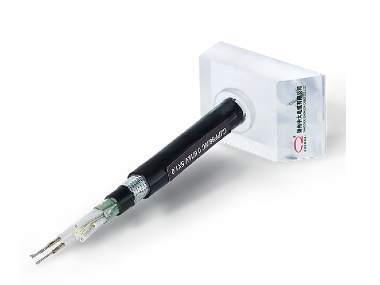
In today’s connected world, marine vessels require data cables to support digital communication, video feeds, and other forms of data transfer. These cables are used for connecting systems like GPS, communication devices, and entertainment systems. Marine data cables must provide high-speed transmission while resisting the harsh marine environment.
Characteristics:
High-speed data transfer capabilities.
Shielded against electromagnetic interference.
Designed to maintain performance in high-moisture environments.
Applications:
Onboard communication systems.
Data transmission for navigation and GPS equipment.
Video feeds for entertainment or surveillance systems.
Selection Considerations:
Data rate: Ensure the cable can support the required speed for your data systems, especially in high-bandwidth applications.
Durability: Look for cables with extra protection to prevent damage from moisture, UV radiation, and physical impacts.
Shielding: Select cables with proper shielding to prevent data loss or interference from nearby electronics.
Subsea cables are used to provide power and data transmission to underwater equipment or facilities. These cables are built to withstand the pressure and extreme conditions of deepwater environments. They are often used for offshore oil rigs, wind farms, and subsea communication systems.
Characteristics:
Robust insulation to withstand high pressures.
Designed for continuous underwater use.
Heavy-duty construction to resist physical damage from external forces.
Applications:
Offshore oil and gas platforms.
Subsea power systems.
Underwater communication and data systems.
Selection Considerations:
Pressure resistance: Ensure the cable can handle the deepwater pressure where it will be deployed.
Long-term durability: Choose cables that are engineered for long-term operation in extreme conditions.
Waterproofing: Ensure that the cable is properly sealed to prevent water ingress and short circuits.
In marine environments, fire safety is of utmost importance. Marine fire-resistant cables are designed to continue functioning even in the presence of fire or extreme heat. These cables are critical in protecting vital systems like emergency lighting, alarms, and fire suppression equipment, ensuring the safety of the crew and passengers.
Characteristics:
Fire-resistant insulation and construction.
Low smoke and toxicity when exposed to fire.
Reliable performance during high-heat conditions.
Applications:
Fire alarms and emergency lighting.
Control circuits for fire suppression systems.
Safety-critical systems requiring constant power.
Selection Considerations:
Fire rating: Choose cables that meet the relevant marine fire safety standards, such as IEC 60331 or UL 2196.
Smoke emission: Select cables that produce minimal smoke in case of fire, to ensure visibility for evacuation.
Durability: Make sure the cables can withstand the physical stress of being routed through critical areas.
When selecting marine cables, several factors must be taken into account to ensure the right cable is chosen for your application. These include:
The marine environment is harsh, with exposure to saltwater, UV radiation, moisture, and temperature extremes. The cables you choose must be specifically designed to resist corrosion, water ingress, and mechanical wear.
Flexibility is a critical factor, particularly for vessels with tight spaces and complex cable routing. Flexible cables are easier to install and can withstand the bending and movement common in marine environments.
Always ensure that the marine cable you select has the appropriate voltage and current rating for your application. Underrating can lead to overheating and potential cable failure.
Marine cables must meet various international standards and certifications, such as IEC (International Electrotechnical Commission) standards, UL (Underwriters Laboratories), and other marine safety regulations. Always check the compliance of the cable with these standards to ensure safety and reliability.
Cables used in marine environments should be chosen for their long lifespan. Cables designed for marine use typically come with an extended warranty period, indicating their durability in tough conditions.
Marine cables are an essential part of any maritime electrical system. Whether you're outfitting a recreational boat, a commercial ship, or an offshore oil rig, choosing the right type of marine cable can make a significant difference in the performance, reliability, and safety of your systems. By understanding the different types of cables available and the factors to consider when choosing them, you can ensure that your vessel or platform operates smoothly and safely.
For high-quality marine cables that meet industry standards and provide long-lasting performance, Yangzhou Zhongda Cable Co., Ltd. offers a range of cables designed for various marine applications. Their cables are known for their durability, flexibility, and resistance to harsh marine conditions, making them an ideal choice for maritime professionals.
 简体中文
简体中文 

