

Views: 0 Author: Site Editor Publish Time: 2025-12-18 Origin: Site


Marine cables are integral to the functioning of boats, ships, and offshore platforms, providing the backbone for power transmission, data control, and communication systems. Understanding the various types of marine cables and their specific applications is crucial for ensuring both the safety and efficiency of maritime operations. This article will explore the key types of marine cables, their functions, and why selecting the right type for your application is essential to the longevity and reliability of your vessel or platform.
Marine cables are classified into several categories based on their purpose and application. These core categories include power cables, control cables, and communication and instrumentation cables. Understanding the differences between these types of cables can help you choose the right one for your specific marine needs.
Power cables are designed to distribute electricity across the marine vessel or offshore platform. These cables are typically used to connect the power source, such as a generator, to the various electrical systems onboard. Marine power cables are constructed with high-quality materials to ensure they can carry large amounts of current without degrading under the harsh marine conditions.
Marine cables in this category need to have exceptional corrosion resistance, as they are often exposed to saltwater. Moreover, their insulation must protect them from moisture and UV damage. These cables are often larger in diameter compared to other types of marine cables, allowing them to handle more power and supply electricity to vital systems such as engines, HVAC systems, and lighting.
Control cables are used to control various systems on a boat or offshore platform, including engines, navigation systems, and safety devices. These cables are designed to transmit signals, often at lower voltage, to control mechanical or electrical devices.
The marine cable used in this application needs to have low signal loss and high conductivity. They must also be flexible enough to be routed through tight spaces, as many control systems require precise installation paths. Durability and resistance to the marine environment are also key factors, ensuring the cables remain operational even under severe conditions.
These cables are crucial for ensuring seamless communication between the vessel and the shore or other vessels. They are used for transmitting data, including navigation information, weather updates, and distress signals.
Given the sensitive nature of the data being transmitted, these cables need to maintain high levels of shielding to prevent signal interference. Marine cables in this category must also be flexible and resistant to moisture, corrosion, and physical damage. Their primary function is to ensure that the communication systems remain operational, even when exposed to harsh marine environments.
While the basic types of marine cables are essential for standard operations, there are also specialty cables designed to handle unique challenges in specific environments. Some of these include low smoke, halogen-free cables, Ethernet cables, and flat vs. round cable types.
In marine environments, especially in confined spaces like the engine room or below deck, a cable fire could be disastrous. Low smoke, halogen-free cables are designed to minimize the production of smoke and toxic gases in the event of a fire. These cables are made with special materials that reduce the impact of fire hazards, making them ideal for use in critical areas where safety is a top priority.
These cables provide an additional layer of safety, ensuring that in the event of an emergency, the risk of toxic fumes and smoke inhalation is minimized.
Ethernet and signal cables are often used for onboard networking, connecting various systems like the vessel’s navigation system, surveillance, and communication networks. These marine cables must be designed to handle high-speed data transmission and operate efficiently over long distances without signal degradation. These cables are engineered to be both rugged and reliable, ensuring uninterrupted communication and data exchange between systems.
Flat and round cables serve different purposes and offer distinct advantages in terms of installation and performance. Flat cables are ideal for installations that require space-saving and flexibility. They are easier to install in tight spaces and can be laid flat along surfaces, which helps reduce clutter. Round cables, on the other hand, offer better protection against mechanical stress and are commonly used in areas with high vibration or heavy-duty installations.
The choice between flat and round cables will depend on the specific needs of the installation area and the environmental conditions. Both types of cables are essential for ensuring reliable operation in the demanding marine environment.
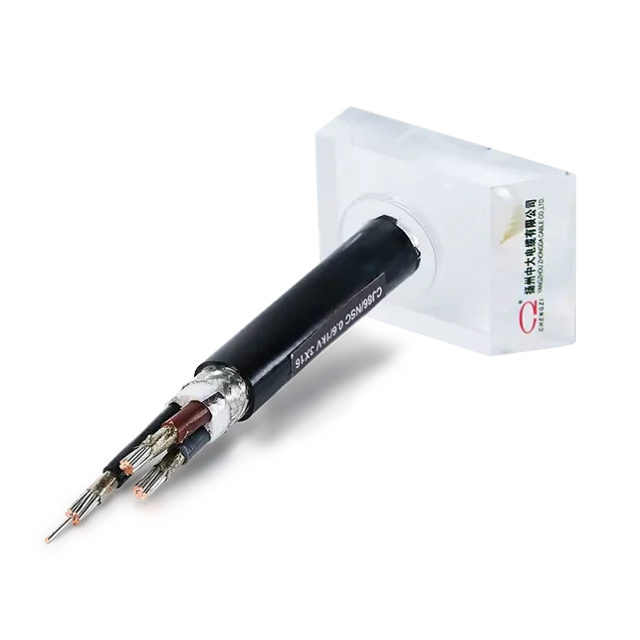
One important type of marine cable that deserves special attention is the marine grade battery cable. These cables are specifically designed to connect batteries to electrical systems onboard, ensuring the safe and efficient transmission of power from the battery to the rest of the vessel’s systems.
Marine battery cables are built to handle the high current demands required to power the boat’s electrical systems, including the engine, lighting, and HVAC systems. These cables are made with durable, high-quality materials, including tinned copper, which prevents corrosion in the harsh marine environment.
Marine battery cables also feature thick insulation to protect against moisture, heat, and abrasion. Unlike automotive cables, which are designed for short-term use in a dry environment, marine cables are built for long-lasting performance, ensuring reliable power transmission over time.
Unlike automotive cables, which are typically used in dry, controlled environments, marine battery cables need to withstand the harsh conditions of the marine environment. They are exposed to saltwater, humidity, and extreme temperatures, all of which can cause rapid degradation of regular cables. Marine-grade battery cables are specifically designed to resist these environmental factors, ensuring that they can handle the heavy-duty electrical demands of a boat or offshore platform.
The difference in design and construction also makes marine cables more expensive than automotive cables, but the investment is well worth it for ensuring the reliability and safety of the electrical system on a vessel or platform.
Marine cables need to be properly sealed and protected to prevent water ingress, which can cause serious electrical failures. Sealing solutions like marine cable seals are designed to ensure that cables are fully protected from water and moisture.
Waterproof sealing solutions for marine cables ensure that the cables remain dry and functional, even in the most extreme conditions. The sealing materials used in these cables are often made from rubber, silicone, or other durable materials that can expand and contract with the cable without losing their effectiveness. These seals are crucial for preventing electrical shorts and ensuring long-lasting cable performance.
Proper cable routing and protection are essential for ensuring the safety and reliability of the electrical systems onboard. Cables should be routed away from areas where they could be exposed to excessive wear and tear, such as near moving parts or areas of high heat. Additionally, protective coverings like heat shrink tubing or armor may be used to prevent abrasion and damage.
Cable ties, clips, and other installation tools can help secure cables in place, ensuring that they are properly supported and do not shift during operation.
When choosing the right marine cable, it’s essential to consider the specific environmental conditions where the cable will be used. Different environments—such as saltwater exposure, offshore platforms, or freshwater—require different types of cables.
Cables used in saltwater environments require extra protection against corrosion and degradation. Marine cables designed for saltwater exposure often feature tinned copper and specialized coatings to prevent corrosion. On the other hand, freshwater environments don’t pose the same level of corrosion risk, although UV and temperature resistance remain important considerations.
The type of marine cable chosen will also depend on the specific application. Offshore platforms and deep-sea rigs require cables that can withstand high pressure and extreme temperatures. Yacht systems, while still exposed to harsh conditions, may require more flexible cables that can be easily routed in confined spaces. Each type of application comes with its unique challenges, and selecting the appropriate marine cable is essential for ensuring reliable performance.
Choosing the right marine cable is essential for ensuring the safety, efficiency, and longevity of marine systems. From power cables to specialized marine battery cables, each type of cable serves a specific purpose and is designed to withstand the unique challenges posed by the marine environment. At ZHONGDA CABLE, our products are engineered to meet the highest standards of performance and durability, making them the ideal choice for marine applications. Whether you're outfitting a boat, yacht, or offshore platform, our marine cables are built to meet your needs and ensure safe, reliable operation for years to come.
For more information on our range of marine cables, contact us today.
Q1: What types of cables are considered marine cables?
Marine cables include power cables, control cables, communication cables, and specialty cables like marine-grade battery cables. Each type is designed to withstand the harsh conditions of the marine environment.
Q2: Can I use regular electrical cables for marine applications?
No, regular electrical cables are not designed to withstand saltwater, moisture, and UV exposure. Marine cables are specifically engineered for these environments, ensuring long-lasting performance.
Q3: What is the difference between marine battery cables and automotive cables?
Marine battery cables are designed to handle the high current and extreme conditions found in marine environments, including saltwater and humidity, making them more durable than automotive cables, which are not built for such conditions.
Q4: How do I choose the right marine cable for my application?
The right marine cable depends on the environment in which it will be used, the type of system it will power or control, and the level of protection needed against corrosion, moisture, and physical damage.
 简体中文
简体中文 

