

Views: 0 Author: Site Editor Publish Time: 2025-10-29 Origin: Site


Marine cables are an essential part of modern maritime and offshore operations. These cables play a vital role in connecting underwater equipment, transmitting power, and enabling communication in some of the most extreme and challenging environments on Earth. Whether used in offshore oil rigs, deep-sea exploration, or the navigation systems of ships and submarines, marine cables must endure harsh conditions such as high pressure, corrosive saltwater, extreme temperatures, and mechanical stress.
Over the past few decades, there have been significant advancements in marine cable technology, focused on enhancing durability, performance, and reliability. These improvements have led to cables that can withstand the rigors of extreme environments for longer periods and deliver consistent performance. This article explores the latest developments in marine cable technology, including the materials, designs, and innovations that are helping to improve the longevity and functionality of marine cables in today's demanding applications.
Marine cables are not just ordinary electrical cables. They are specially designed to perform in environments where traditional cables would fail. These cables are used for transmitting power, data, and communication signals to underwater and subsea equipment, such as sonar systems, remote-operated vehicles (ROVs), and underwater cameras. They also power various equipment on ships, oil rigs, and underwater research stations, enabling reliable operation in extreme conditions.
Marine cables must meet several requirements, such as:
Resistance to corrosion from saltwater, which can cause severe damage to materials over time.
Pressure resistance to withstand the deep-sea environment where pressures can exceed thousands of pounds per square inch.
Durability to survive mechanical stresses, such as abrasion from underwater currents, physical impacts, and heavy equipment.
Flexibility for easy installation and movement of equipment, especially in confined spaces or when used in mobile devices like ROVs.
Signal integrity to ensure data transmission remains accurate over long distances without degradation.
As the demand for underwater technology increases, it is crucial to improve marine cable technology to meet the growing needs of industries like offshore energy, marine research, and underwater communication.
Several advancements have been made in the development of marine cables, particularly in terms of material innovation, enhanced performance, and longevity. These innovations are addressing many of the challenges posed by the extreme conditions marine cables face and enabling the continued growth of offshore and underwater industries.
One of the biggest challenges marine cables face is corrosion caused by saltwater exposure. Traditionally, copper and aluminum were used as conductors in marine cables. However, over time, these materials are vulnerable to corrosion, leading to reduced performance and cable failures. To address this issue, researchers and engineers have turned to more advanced materials for marine cables.
Materials such as:
Tinned Copper: Tinned copper has a thin layer of tin coating that improves corrosion resistance while maintaining electrical conductivity. This material is now widely used for marine cables, as it offers better protection against corrosion and can extend the life of the cable in harsh environments.
Corrosion-resistant Alloys: Alloys such as bronze or special marine-grade steels are increasingly used for the outer sheath and the conductor material in marine cables. These alloys are designed to resist both saltwater corrosion and physical wear, increasing the durability and lifespan of cables.
Polymer Insulation Materials: The use of specialized polymers such as polyethylene (PE), polyvinyl chloride (PVC), and cross-linked polyethylene (XLPE) has significantly improved the insulation of marine cables. These materials are resistant to saltwater, oil, and UV radiation, making them ideal for underwater and offshore use.
These advanced materials not only offer better resistance to corrosion but also improve the mechanical properties of the cables, allowing them to last longer even in the harshest conditions.
Cable sheaths are the protective outer layers of marine cables that shield the inner conductors from environmental damage, such as abrasion and physical impact. The latest innovations in cable sheath designs have resulted in materials that are more durable and better suited to withstand the rigors of underwater environments.
Key improvements in sheath designs include:
Armored Sheaths: Many marine cables now feature armored sheaths made of steel wires or braided metal strands. This added protection helps prevent damage from sharp objects, underwater debris, and the physical stresses encountered by cables during installation and operation.
UV and Abrasion Resistance: New sheathing materials are being developed to provide superior protection against UV radiation and abrasion. This is particularly important for cables that are exposed to the sun or subjected to heavy movement, such as cables used in offshore drilling rigs or for towing ROVs.
Flexible and Lightweight Designs: To improve the ease of installation and handling, cables are now being designed with lightweight, flexible sheaths. These designs allow for easier manipulation, reducing strain during installation and making cables more adaptable to different marine applications.
These improvements in cable sheaths enhance the overall durability of marine cables, ensuring that they can endure harsh environments and continue to function effectively over long periods.
Deep-sea cables, used in offshore oil rigs, underwater research stations, and subsea power transmission systems, must withstand immense pressure. As the depth of the water increases, so does the pressure exerted on the cables. In some areas of the ocean, pressures can reach over 10,000 psi (pounds per square inch), which can crush unprotected cables.
Advances in pressure-resistant designs have resulted in cables that can operate safely at greater depths without failing. High-strength materials such as aramid fibers (used in Kevlar) and reinforced polyethylene are now being incorporated into cable construction. These materials enhance the pressure resistance of the cables, allowing them to endure the intense forces found in the deep sea.
In addition to stronger materials, optimized structural designs have been developed to improve the strength-to-weight ratio of cables. These cables are now able to resist both the physical pressure from the water and the bending stress encountered during operation, particularly in dynamic subsea environments where cables are subjected to movement and tension.
As underwater communication and navigation systems become more sophisticated, there is an increasing demand for cables that can transmit both power and data over long distances. This has led to the development of hybrid cables, which combine power transmission and data communication capabilities in a single cable.
These hybrid cables typically consist of multiple layers of insulation and conductors, each layer serving a different function. For example, a hybrid cable may feature:
Power conductors to supply electricity to subsea equipment, such as sensors, cameras, and ROVs.
Fiber optic conductors for high-speed data transmission, allowing for real-time communication and data exchange between underwater equipment and surface vessels or research stations.
Hybrid cables allow for the simultaneous transmission of power and data without the need for multiple separate cables, reducing the risk of cable tangling, damage, and installation complexity. The integration of fiber optics also ensures that high-bandwidth data can be transferred without signal loss, making them ideal for high-definition video feeds, sonar data, and other data-intensive applications.
The rise of smart cable technology has introduced a new era of intelligent marine cables capable of monitoring their own condition. These cables contain embedded sensors that can detect factors such as temperature, pressure, and electrical resistance. The data collected by these sensors can be transmitted to surface systems, allowing operators to monitor the condition of the cables in real time.
Smart cables help detect potential issues before they become critical, enabling proactive maintenance and reducing downtime. For example, if a cable is exposed to excessive pressure or heat, the sensors can trigger an alarm to alert technicians. This technology is particularly useful for offshore drilling platforms and subsea power transmission, where early detection of cable faults can prevent costly and dangerous failures.
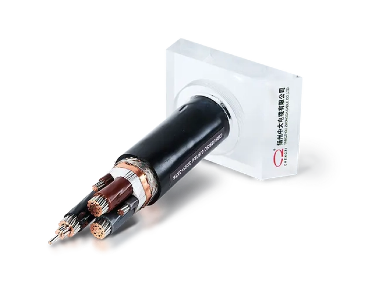
As marine industries continue to expand and the demands of underwater communication, navigation, and power systems increase, the development of more advanced marine cable technologies will be crucial. Future trends in marine cable technology include:
Further miniaturization of cables without compromising performance or durability, allowing for more compact and efficient designs.
Sustainability in cable production, with an emphasis on using environmentally friendly materials and reducing waste in cable manufacturing.
Increased automation in the cable monitoring and repair process, reducing the need for manual intervention and enhancing safety.
Advancements in marine cable technology have played a crucial role in improving the durability, performance, and reliability of underwater communication and navigation systems. The development of corrosion-resistant materials, armored sheaths, hybrid cables, pressure-resistant designs, and smart monitoring systems has made it possible to operate in the most challenging marine environments with confidence. These innovations not only extend the life of marine cables but also ensure the safety and efficiency of underwater operations.
For industries requiring high-quality, durable marine cables designed for extreme conditions, Yangzhou Zhongda Cable Co., Ltd. offers a range of advanced solutions. Their marine cables are engineered with the latest technologies to provide superior performance in the most demanding underwater environments, making them an excellent choice for powering and connecting critical marine systems.
 简体中文
简体中文 

